
Sonographers often face situations that require delivering bad news to patients examples during routine scans. These moments test both technical skills and communication abilities. Ultrasound technologists must prepare for unexpected findings that change patient outlooks. Diagnostic imaging professionals handle these talks daily in hospitals and clinics.
Clear steps reduce stress for everyone involved. Training programs stress the need for empathy and structure. Sonography teams benefit when they follow proven methods. Practice builds confidence over time.
- Prepare the setting before any discussion begins.
- Use simple language without medical jargon.
- Allow time for patient questions and reactions.
- Document the conversation in detail afterward.
- Offer follow up resources or referrals right away.
- Review each case with colleagues for improvement.
Why Sonographers Need These Skills
Ultrasound technologists encounter abnormal results more often than many expect. These findings require immediate and sensitive handling. Training in communication supports better patient outcomes. Patient communication resources provide extra guidance for daily use.
Staff who master these talks report lower burnout rates. Hospitals value professionals who maintain calm during stress. Diagnostic imaging roles grow when staff show strong interpersonal skills. Practice sessions help new hires build these habits early.
Patients remember how news was shared more than the details alone. Sonographers who speak with care earn greater trust. This trust leads to smoother follow up visits. Teams that support each other perform better overall.
💼 Career Opportunities
Professional groups like the SDMS offer workshops on these topics. Regular review keeps skills sharp. Sonography careers advance with strong communication records. Employers seek candidates who handle pressure well.
Delivering Bad News to Patients Examples in Practice
One common case involves spotting a mass during an abdominal scan. The sonographer pauses the exam and alerts the radiologist first. Then the team decides who will speak with the patient. A quiet room helps the discussion stay private.
Another example occurs in obstetric ultrasound when heart activity seems absent. The technologist stays calm and uses direct words. They explain next steps without speculation. Support staff stand ready to assist the patient afterward.
As an Amazon Associate, we earn from qualifying purchases.
Cardiac sonographers sometimes find severe valve issues in routine checks. They prepare the patient by asking what they already know. This approach prevents sudden shock. Clear notes in the chart aid the referring doctor later.
Each case teaches new lessons for future talks. Sonography professionals note that preparation prevents confusion. Role play with peers sharpens responses. Feedback from supervisors refines technique over months.
Steps Sonographers Follow During These Talks
Start by confirming the patient identity and privacy. Sit at eye level to show attention. State the finding in plain terms first. Pause often to check understanding.
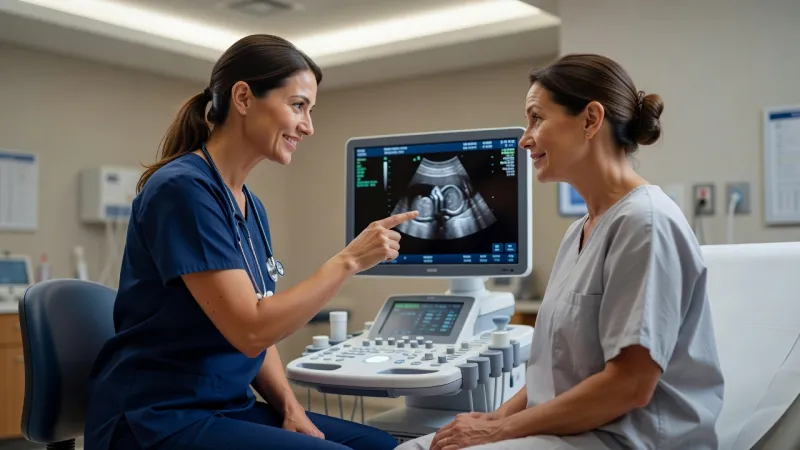
Listen without interrupting emotional responses. Offer tissues or water if needed. Explain possible next tests in simple order. Avoid promises about outcomes that remain unknown.
End by summarizing the plan and contact points. Provide written materials when possible. Schedule a follow up call if appropriate. Thank the patient for their time and courage.
These steps come from years of shared experience in the field. Ultrasound technologists report better results when they stick to structure. Professionalism ethics guidelines reinforce these habits. Consistent use builds department wide standards.
Training Options for Ultrasound Teams
Many facilities run monthly simulation sessions. These drills cover real delivering bad news to patients examples. Staff rotate roles to gain different views. Debriefs focus on what worked and what did not.
Online modules from the ARDMS support self paced study. Certification paths now include communication modules. Hospitals partner with universities for deeper courses. New hires complete these before solo shifts begin.
Peer mentoring pairs experienced staff with newer ones. Regular check ins track progress. Feedback stays constructive and specific. Over time these efforts raise overall team performance.
Workshops at conferences share fresh methods. Sonographers return with ideas to test locally. Documentation of training hours supports career growth. Continued learning keeps skills current in fast changing settings.
Common Challenges and How to Handle Them
Language barriers can complicate any talk. Interpreters should join early and stay neutral. Cultural differences affect how news lands. Respect for family roles helps keep talks on track.
Time pressure in busy departments adds stress. Teams that plan ahead reduce rushed moments. Quiet spaces may need advance booking. Support from supervisors makes these talks easier.
Emotional reactions vary widely among patients. Some stay silent while others ask many questions. Sonographers stay present without taking reactions personally. Self care after shifts prevents long term strain.
Documentation errors create later problems. Notes should record exact words used and reactions seen. Review by peers catches gaps quickly. Accurate records protect both staff and patients.
Frequently Asked Questions
How do sonographers prepare for delivering bad news to patients examples?
Sonographers review the images with a radiologist first. They choose a private space and gather support staff. Simple scripts help keep language clear. Practice with colleagues builds steady delivery. Follow up notes go into the record right after.
What phrases work best in delivering bad news to patients examples?
Direct statements like the finding appears abnormal help most. Avoid words that guess at causes. Pause after each main point. Ask what the patient understands so far. Offer next steps without false hope.
Why does training matter for these roles?
Training gives staff tested methods for tough moments. It lowers personal stress during scans. Teams perform with more consistency. Patients feel supported even in hard times. Careers advance when records show strong communication.
How do these positions in this industry document such talks?
Notes capture the time, setting, and exact words shared. Reactions from the patient go in the chart too. Radiologist input appears in the same entry. Follow up plans list clear contacts. Review happens before the shift ends.
What resources help this field improve these skills?
Workshops from professional groups offer role play drills. Mentors provide real time feedback on the job. Online modules cover new methods each year. Peer groups share stories from varied settings. Regular review keeps every professional ready.
Final Thoughts
Sonographers who master delivering bad news to patients examples serve their patients and teams better. These skills grow with steady practice and support. Every conversation adds to professional growth in diagnostic imaging.
Facilities that invest in training see stronger results across the board. Ultrasound technologists benefit when they use proven steps each time. Start with small role plays and build from there. Career development paths often reward strong communication records.