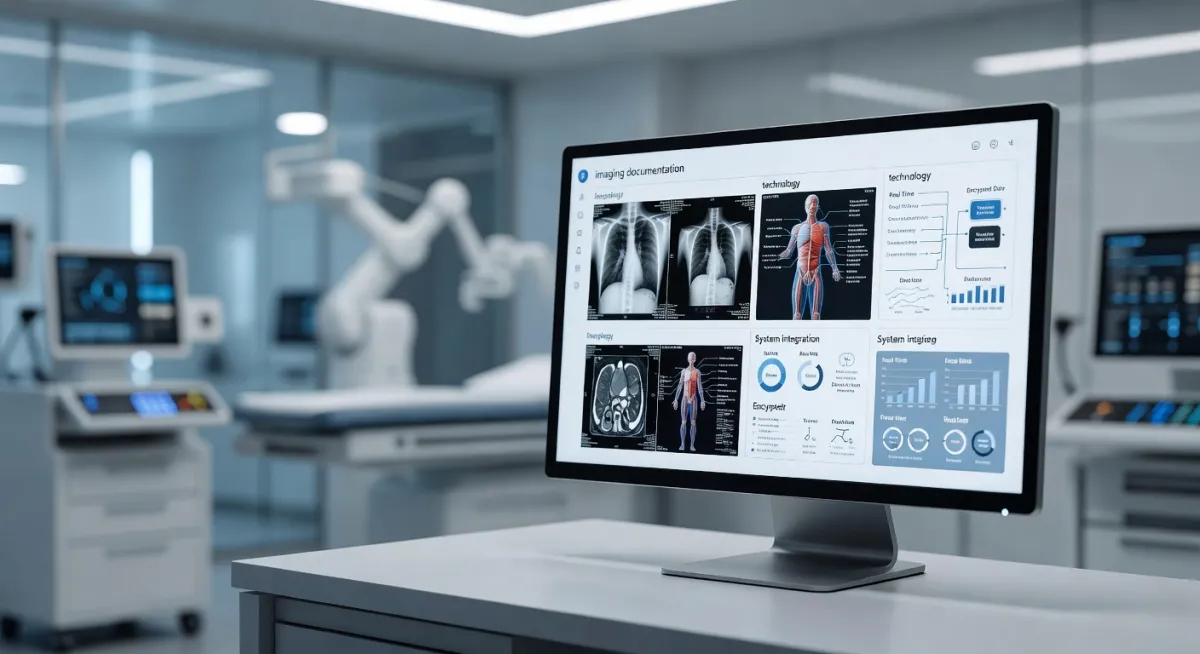
For sonography professionals, the process of documentation after disclosure in healthcare is a critical responsibility. It ensures transparency, protects both patients and practitioners, and upholds the standards of diagnostic imaging. When an ultrasound technologist communicates findings or delivers sensitive information, proper documentation becomes the foundation of trust and accountability. This article dives into why this practice matters so much in the field.
Ultrasound technologists and healthcare imaging professionals often face situations where they must disclose unexpected or difficult findings. Whether it's a fetal anomaly or an abnormality in an abdominal scan, the way these disclosures are handled and recorded can impact patient care. Documentation serves as a legal and ethical safeguard, ensuring clarity for all parties involved. It also supports continuity of care in complex cases.
- Always document disclosures immediately after patient interactions to ensure accuracy.
- Use clear, objective language to avoid misinterpretation of findings.
- Include timestamps and specific details about the conversation in records.
- Follow institutional protocols for sensitive information in ultrasound reports.
- Ensure documentation aligns with HIPAA compliance for patient privacy.
- Review records for completeness before final submission to supervisors.
- Seek guidance from mentors on handling complex disclosure documentation.
Why Documentation After Disclosure Matters in Sonography
In sonography, documentation after disclosure in healthcare isn't just a formality. It's a vital step that protects ultrasound technologists from potential legal issues. When a finding is communicated to a patient or physician, the record of that interaction becomes evidence of professional conduct. This is especially true in cases of miscommunication or disputes.
For instance, if a sonographer identifies a possible mass during a scan, they may need to disclose this to a referring physician. The documentation of that disclosure must detail what was said and when. Without this, misunderstandings can arise, potentially harming patient trust. Accurate records prevent such risks.
Moreover, documentation supports continuity in diagnostic imaging workflows. When multiple professionals are involved, clear notes ensure everyone stays informed. This is crucial in hospital settings where sonographers collaborate with radiologists. Poor documentation can delay critical interventions.
💼 Career Opportunities
Finally, it reflects professionalism in the field. Sonographers who prioritize detailed records demonstrate accountability. This builds credibility with colleagues and patients alike. Industry experts stress that consistent documentation is a hallmark of excellence in healthcare imaging.

Legal Implications for Ultrasound Technologists
The legal weight of documentation after disclosure in healthcare cannot be overstated for ultrasound technologists. Inaccurate or incomplete records can lead to lawsuits or disciplinary action. Sonographers must ensure every disclosure is backed by precise documentation. This protects against claims of negligence or misconduct.
Consider a scenario where a patient misunderstands a disclosure about a scan result. If the sonographer's notes are vague, it becomes hard to prove what was communicated. Legal battles can hinge on such details. Thorough records are often the only defense in these situations.
As an Amazon Associate, we earn from qualifying purchases.
Additionally, healthcare facilities have strict policies aligned with federal regulations. Sonographers must comply with these to avoid penalties for themselves and their employers. Resources from organizations like ARDMS provide guidance on best practices. Staying informed is essential for legal protection.
Beyond individual cases, proper documentation upholds industry standards. It ensures that diagnostic imaging remains a trusted field. Ultrasound professionals who neglect this duty risk damaging their reputation. Legal awareness is a core part of their role.
Ethical Responsibilities in Diagnostic Imaging
Ethics play a huge role in documentation after disclosure in healthcare for sonography experts. Disclosing sensitive findings demands compassion and clarity. Documenting these interactions ethically ensures respect for patient dignity. It's a balance of honesty and sensitivity.

For example, when a sonographer discloses a potential issue during a prenatal ultrasound, emotions run high. The documentation must reflect what was shared without adding personal opinions. Sticking to facts preserves trust with patients. Ethical lapses in records can cause harm.
Professional bodies emphasize this responsibility in their guidelines. Groups like SDMS offer resources on maintaining ethical standards. Sonographers should regularly review these to stay aligned with best practices. Ethical documentation builds stronger patient relationships.
Lastly, ethical records contribute to a culture of integrity in healthcare imaging. They show a commitment to truth and accountability. Ultrasound technologists who prioritize this gain respect from peers. It's a cornerstone of professional conduct in the field.
Best Practices for Sonographers Documenting Disclosures
For sonographers, mastering documentation after disclosure in healthcare starts with structure. Always begin with the date, time, and context of the disclosure. Note who was present during the conversation, whether patient or physician. This sets a clear foundation for the record.
Use objective language to describe the findings and discussion. Avoid terms that could be seen as speculative or emotional. For instance, instead of saying a patient was "upset," note their specific reactions if relevant. Precision prevents misinterpretation down the line.
Another key practice is to document immediately after the interaction. Waiting too long can lead to forgotten details or errors. Many experienced sonographers keep a small notebook for quick notes during shifts. This habit ensures nothing slips through the cracks.
Finally, align documentation with workplace policies. Review protocols regularly to stay compliant with institutional rules. Explore resources on professionalism and ethics for deeper insights. These steps help ultrasound technologists maintain high standards in their records.
Common Challenges and How to Overcome Them
Sonographers often face hurdles with documentation after disclosure in healthcare. Time constraints during busy shifts can make thorough recording tough. Many ultrasound technologists juggle multiple scans in a day. This leaves little room for detailed notes.
Another challenge is handling emotionally charged disclosures. When patients react strongly to news, sonographers may struggle to focus on documentation. The stress of these moments can cloud memory. This makes accurate records harder to produce.
To overcome these issues, prioritize quick jottings right after interactions. Even a few keywords can jog memory when completing full reports later. Some professionals use voice recorders for brief notes between patients. This saves time without sacrificing detail.
Training also helps address these challenges. Seek workshops or online resources through platforms like career development categories. Building skills in time management and emotional resilience is key. Sonographers who adapt these strategies improve their documentation quality significantly.
Final Thoughts
Documentation after disclosure in healthcare remains a vital skill for sonography professionals. It safeguards legal standing, upholds ethical standards, and ensures patient trust. Ultrasound technologists who master this practice stand out as reliable and professional in their field.
The challenges of time and emotion can be managed with practical habits. By prioritizing accuracy and following best practices, sonographers contribute to better patient outcomes. Exploring resources on patient communication can further enhance these skills.
Take action today by reviewing personal documentation habits. Commit to consistent, clear records in every patient interaction. This small effort yields big rewards in diagnostic imaging careers.
Frequently Asked Questions
What is documentation after disclosure in healthcare for sonographers?
Documentation after disclosure in healthcare refers to recording details of conversations or findings shared with patients or physicians. For sonographers, this often involves noting what was said during a scan result discussion. It includes timestamps, participants, and specific information communicated. This practice ensures accountability and clarity in diagnostic imaging. It also protects against legal or ethical misunderstandings. Sonographers must prioritize this to maintain professional standards.
How should ultrasound technologists handle sensitive disclosure documentation?
Ultrasound technologists should approach documentation after disclosure in healthcare with care and precision. Start by recording the interaction immediately to capture accurate details. Use factual, neutral language to describe the discussion and findings. Ensure compliance with privacy laws like HIPAA during the process. If emotions run high, take brief notes to revisit later for full reports. Seek guidance from supervisors if unsure about specific cases.
Why is accurate documentation important for diagnostic imaging professionals?
Accurate documentation is crucial for diagnostic imaging professionals to maintain trust and accountability. It serves as a legal record of what was communicated during disclosures. This protects against disputes or misunderstandings with patients or colleagues. It also ensures continuity of care when multiple providers are involved. Poor records can lead to delays or errors in treatment. Prioritizing this task is essential for career longevity in the field.
What are common mistakes in documentation by healthcare imaging staff?
Common mistakes in documentation by healthcare imaging staff include delays in recording interactions. Vague language or missing details can also create issues in reports. Some professionals fail to note who was present during disclosures. Others may unintentionally include subjective opinions instead of facts. These errors can harm credibility or lead to legal risks. Training and consistent review of protocols can help avoid such pitfalls.
How can sonographers improve their documentation skills over time?
Sonographers can improve their documentation skills by seeking regular feedback from peers or supervisors. Attending workshops or webinars on record-keeping also helps build expertise. Practicing quick note-taking during shifts ensures details aren't forgotten. Reviewing past reports for errors or gaps is another useful step. Staying updated on industry guidelines keeps practices aligned with standards. Over time, these habits create stronger, more reliable documentation in this field.