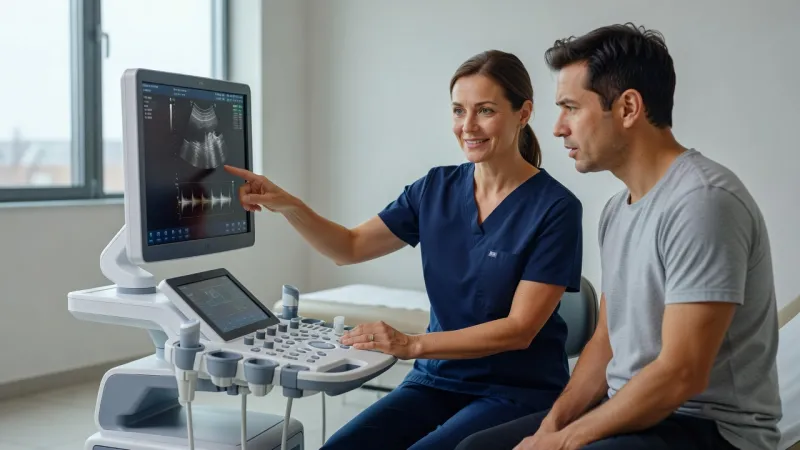
Many sonographers seek better ways to present their skills during job searches. Strong materials help highlight clinical experience and technical abilities. Resume portfolio ideas offer a smart approach for professionals in this field. They allow candidates to stand out among other applicants in competitive healthcare settings.
- Start by gathering case studies from recent ultrasound exams without patient identifiers.
- Include certification details from recognized bodies like ARDMS to build credibility quickly.
- Organize samples by specialty areas such as abdominal or vascular imaging.
- Use simple digital formats that employers can review on any device.
- Add brief reflections on how each project improved patient outcomes.
- Update materials regularly to reflect new procedures or equipment handled.
- Seek feedback from mentors before submitting applications.
Why Resume Portfolio Ideas Matter in Sonography
Sonography roles often require proof of hands-on expertise beyond basic resumes. Employers review many applications for ultrasound positions each week. A well-prepared portfolio shows real examples of diagnostic work. This approach helps candidates demonstrate attention to detail and technical competence.
Professionals note that visual evidence of scans can clarify complex skills. Hiring managers appreciate seeing organized examples of reports and images. These elements support claims made in standard application documents. They also align with standards promoted by groups like SDMS.
Competition remains high in many imaging departments across hospitals. Clear presentation of achievements can lead to more interview invitations. Sonographers who invest time in portfolios often report faster responses from recruiters. This method works well for both new graduates and experienced staff.
Industry experts suggest reviewing job postings first. Match portfolio contents to listed requirements for each role. This targeted method increases relevance and shows preparation. It also reduces the chance of including unrelated materials.
💼 Career Opportunities
Essential Components of a Strong Portfolio
Every portfolio needs a clean cover page with contact information. Follow this with a summary of credentials and specialties. Next come selected scan examples that showcase technique and accuracy. Keep each sample brief and focused on key learning points.
Include copies of licenses and continuing education records. Add letters from supervisors that confirm performance levels. These documents provide external validation of daily work habits. They help build trust with potential employers right away.
Consider adding a section on equipment familiarity. List specific machines used and any advanced features mastered. This detail proves readiness for varied clinical environments. Many facilities value this type of practical knowledge highly.
End the portfolio with a short professional development plan. Outline goals for future certifications or skill expansion. This forward-looking element signals commitment to growth in diagnostic imaging.
Top Resume Portfolio Ideas for Ultrasound Roles
One effective idea involves creating digital case logs. Organize them by body system with outcome notes attached. Another option uses a simple binder format for in-person interviews. Both styles support the core goal of resume portfolio ideas.
Some technologists add short video clips of scanning techniques. These clips must remain anonymous and focus only on the procedure. Others prepare printed image collages that highlight pathology detection. Each choice depends on the type of position sought.
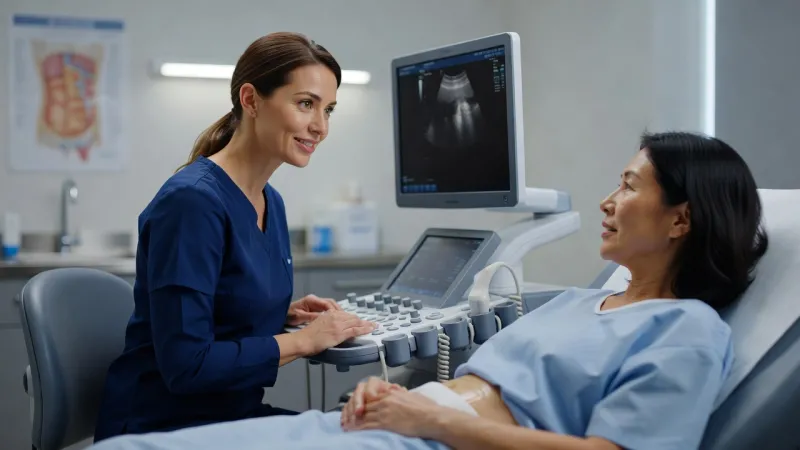
Try grouping materials by career stage for clarity. Separate student clinical work from post-certification achievements. This structure helps reviewers follow professional progress easily. It also prevents confusion during quick screening processes.
Combine traditional resumes with portfolio pages in one file. Use consistent formatting throughout for a polished look. Consistent fonts and spacing improve readability for busy hiring teams. This detail reflects the same care applied during patient exams.
Digital Options Versus Physical Formats
Digital portfolios offer easy updates and broad sharing options. They work well when applying to multiple sites at once. Physical versions allow direct discussion during interviews. Many sonographers prepare both to cover different situations.
Cloud storage provides secure access for remote reviewers. Password protection keeps sensitive examples private until needed. Physical copies require careful printing on quality paper. Both approaches fit within professional standards for healthcare careers.
Check file sizes before sending digital versions. Large attachments may not reach inboxes properly. Test links in advance to avoid broken paths. These small steps prevent delays in the application review.
Physical portfolios benefit from protective covers and tabs. Tabs make navigation simple during face-to-face meetings. Keep extra copies on hand for unexpected requests. Preparation shows respect for the interview process.
Common Pitfalls and How to Avoid Them
Overloading a portfolio with too many examples causes fatigue. Limit selections to the strongest five or six cases. Poor organization leads to missed details by reviewers. Clear sections and labels prevent this issue effectively.
Avoid using patient names or dates that could breach privacy rules. Always remove all identifying information from images and reports. This practice protects both the professional and the facility. It aligns with ethical guidelines in diagnostic imaging work.
Skipping updates leaves outdated skills on display. Review contents every few months or after new training. Fresh material keeps applications competitive over time. Employers notice when portfolios reflect current abilities.
Generic content fails to impress specialists in ultrasound. Tailor each portfolio to the target department or clinic. Specific references to their equipment or patient population help. This customization shows genuine interest in the role.
Final Thoughts
Strong resume portfolio ideas help sonographers present their full capabilities. Careful preparation leads to better opportunities in ultrasound settings. Consistent effort in this area supports long-term career movement. Review available career growth resources for additional guidance on advancing in the field.
Start building or refining materials soon to stay ready for new openings. Small improvements today can create stronger applications later. Professionals who maintain updated portfolios often move ahead faster.
Frequently Asked Questions
How do sonographers build effective resume portfolio ideas?
Sonographers begin by collecting de-identified scan examples from daily work. They organize these by specialty and add short notes on techniques used. Certification records and supervisor feedback complete the package. Regular updates keep the materials relevant for new applications.
What should ultrasound technologists include in their portfolios?
They should feature key images, procedure summaries, and proof of credentials. Equipment lists and continuing education details add further value. Each item needs clear labels and context for quick review. This structure helps hiring teams understand experience levels fast.
Are digital or printed versions better for these roles?
Both formats serve different needs during the hiring process. Digital files allow easy sharing across multiple applications at once. Printed copies support in-person discussions and immediate review. Many professionals maintain both to remain flexible.
How often should professionals refresh these materials?
Updates work best after new certifications or major procedure changes. A quick review every three months prevents outdated content. Fresh examples reflect current skills and recent achievements. This habit supports stronger applications in competitive markets.
Can new graduates use resume portfolio ideas successfully?
New graduates can highlight clinical rotations and training cases. They should emphasize equipment exposure and basic competencies gained. Feedback from instructors adds credibility to early portfolios. These efforts help entry-level candidates compete effectively for first positions.