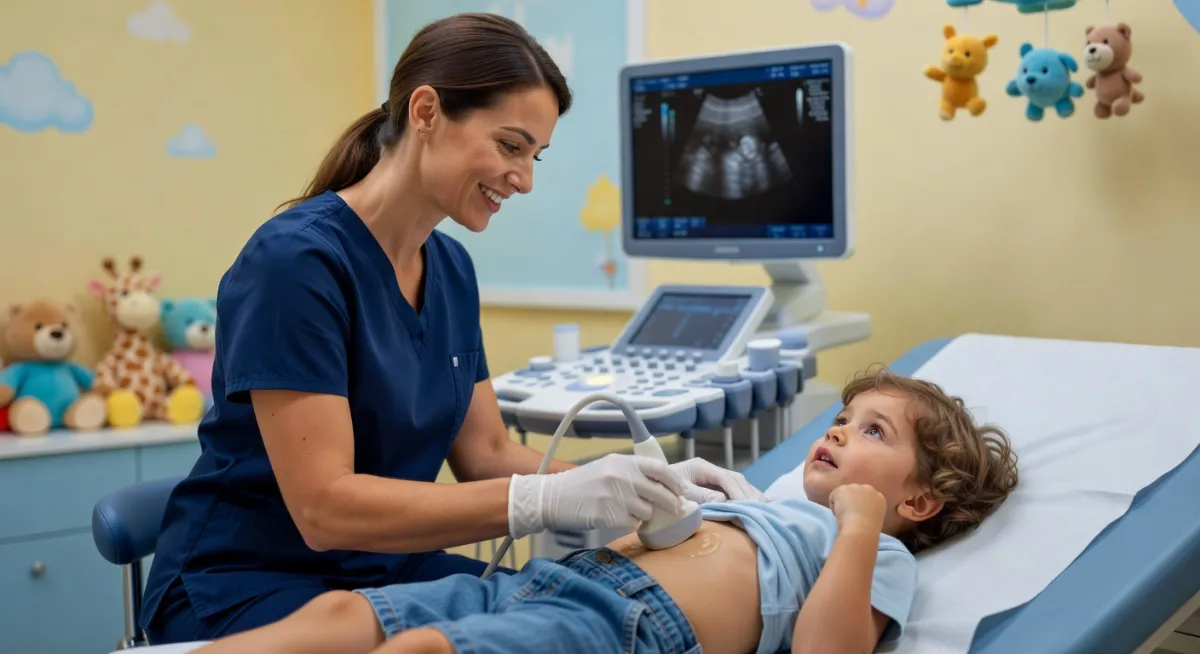
For healthcare professionals in diagnostic imaging, pursuing specialty certifications for nurses can open doors to advanced roles and expertise. Many nurses transition into fields like sonography or ultrasound technology, seeking to expand their skills in imaging specialties. These certifications not only enhance clinical knowledge but also boost career prospects in a competitive industry. This editorial resource aims to guide sonographers, ultrasound technologists, and other imaging professionals through the value and process of obtaining such credentials.
Specialty certifications offer a pathway to stand out in diagnostic imaging. They signal dedication to patient care and technical proficiency. Nurses entering this field can leverage these credentials to gain trust from employers and patients alike. This article dives into why these certifications matter and how they connect directly to imaging careers.
- Specialty certifications for nurses can elevate expertise in ultrasound and sonography roles.
- They often lead to higher earning potential and job security in imaging fields.
- Certifications demonstrate commitment to quality patient care in diagnostic settings.
- They provide access to niche areas like vascular or pediatric ultrasound.
- Many employers prioritize certified professionals for leadership positions.
- Obtaining credentials can expand networking opportunities within the industry.
- Certifications often require continuing education, keeping skills sharp.
Why Specialty Certifications for Nurses Matter in Imaging
In diagnostic imaging, specialty certifications for nurses are more than just a resume boost. They validate a nurse's ability to handle complex imaging equipment and interpret results with precision. For those transitioning into sonography, these credentials build a bridge between general nursing and specialized technical skills. Employers often view certified professionals as more reliable and prepared for high-stakes environments.
The field of ultrasound technology demands accuracy and attention to detail. Certifications ensure that nurses meet rigorous standards set by governing bodies. This is especially critical when dealing with sensitive cases like fetal imaging or vascular assessments. Patients and physicians alike rely on certified professionals for trustworthy results.
Beyond technical skills, certifications also enhance professional credibility. Nurses with additional certifications for registered nurses often find it easier to secure roles in competitive hospital settings. They stand out during hiring processes, showing a commitment to ongoing learning. This is a key factor in advancing within diagnostic imaging departments.
💼 Career Opportunities
For sonographers, these credentials can also mean access to better resources and support. Many certifying organizations offer workshops, webinars, and networking events. These opportunities help professionals stay updated on industry trends. Ultimately, certifications pave the way for a more fulfilling career in imaging.

Types of Specialty Certifications for Nurses in Ultrasound
Nurses entering diagnostic imaging have several options for specialty certifications tailored to ultrasound and sonography. One popular choice is certification in vascular ultrasound, which focuses on imaging blood vessels and circulation. This is ideal for nurses working in cardiology or surgical units. It equips them to assist in diagnosing conditions like blood clots or aneurysms.
Another valuable credential is in obstetric and gynecologic sonography. This certification trains nurses to perform ultrasounds during pregnancy or for reproductive health issues. It's a critical skill for those in women's health clinics or maternity wards. Mastery in this area builds trust with expecting mothers and their families.
As an Amazon Associate, we earn from qualifying purchases.
Pediatric ultrasound certification is also a sought-after option for nurses. This focuses on imaging techniques for infants and children, requiring a gentle approach. Nurses with this credential often work in specialized children's hospitals. Their expertise ensures accurate diagnostics for young patients.
Additionally, some nurses pursue certifications in abdominal sonography. This covers imaging of organs like the liver, kidneys, and spleen. It's a versatile credential for general diagnostic roles in hospitals or clinics. Nurses with this training are invaluable to imaging teams across various settings.
Benefits of Additional Certifications for Nurses in Sonography
Pursuing additional certifications for nurses offers clear advantages in the sonography field. First, it often leads to higher pay and better job opportunities. Certified professionals are more likely to be considered for promotions or specialized roles. This financial and career growth is a major motivator for many.

Certifications also provide a deeper understanding of imaging technologies. Nurses learn advanced techniques that improve scan accuracy and patient outcomes. This technical edge is crucial in fast-paced environments like emergency rooms. It ensures sonographers can handle diverse cases with confidence.
Another benefit is the professional recognition that comes with specialty certifications for nurses. Being certified by a respected body like ARDMS sets a nurse apart in the industry. It shows a commitment to excellence that peers and employers notice. This recognition often translates to greater respect in the workplace.
Finally, certifications open doors to mentorship and leadership roles. Certified nurses are often tapped to train others or lead imaging departments. They become go-to experts for complex cases or new technologies. For sonographers, this can mean a lasting impact on their field.
How to Obtain Specialty Certifications for Nurses in Imaging
Securing specialty certifications for nurses in diagnostic imaging starts with identifying the right credentialing body. Organizations like SDMS provide resources and guidance for aspiring sonographers. Nurses should research which certifications align with their career goals. This step ensures time and effort are well-spent.
Most certifications require a combination of education and clinical experience. Nurses often need to complete specific coursework related to ultrasound or sonography. Hands-on training in a clinical setting is also typically mandatory. This practical experience prepares candidates for real-world challenges.
After meeting prerequisites, nurses must pass a certification exam. These tests assess both theoretical knowledge and practical skills. Preparation is key, and many professionals use study guides or attend review courses. Dedication during this phase can make all the difference in passing.
Once certified, maintaining credentials often involves continuing education. Nurses must stay current with evolving imaging practices and technologies. This might include attending workshops or completing online modules. Resources like those on certifications and credentials can help navigate this ongoing process.
Challenges and Solutions in Pursuing Certifications
Obtaining specialty certifications for nurses isn't without hurdles, especially for busy imaging professionals. Time constraints often top the list of challenges. Balancing work, study, and personal life can feel overwhelming. Many sonographers struggle to find hours for exam preparation or coursework.
Financial costs are another barrier. Certification programs and exams often come with fees that add up quickly. For nurses on tight budgets, this can be a significant obstacle. Some may delay their plans due to these expenses.
However, solutions exist to ease these burdens. Many employers offer tuition reimbursement or study leave for additional certifications for nurses. Nurses should inquire about such benefits during job discussions. Exploring these options can make certification more attainable.
Online resources and flexible study programs also help. Virtual courses allow nurses to learn at their own pace. Community forums and study groups provide support and motivation. For more career tips, check out career development resources tailored for imaging professionals.
Final Thoughts
Specialty certifications for nurses in diagnostic imaging careers are a powerful tool for growth. They enhance skills, boost credibility, and open doors to advanced roles in sonography and ultrasound technology. For imaging professionals, these credentials are a stepping stone to a rewarding and impactful career.
This editorial resource encourages sonographers and technologists to take the leap toward certification. Start by exploring options that match specific interests, whether in vascular, pediatric, or obstetric imaging. With dedication, the benefits of additional certifications for registered nurses can transform a career path.
Frequently Asked Questions
What are the best specialty certifications for nurses in sonography?
Specialty certifications for nurses in sonography often depend on individual career goals and workplace needs. Popular options include vascular ultrasound, obstetric and gynecologic imaging, and pediatric sonography. These credentials focus on specific patient populations or conditions, enhancing a nurse's expertise. Nurses should choose based on their interest and the demand in their region. Many hospitals value certifications from recognized bodies like ARDMS. Researching local job listings can also guide this decision.
How do specialty certifications for nurses impact salary in imaging?
Obtaining specialty certifications for nurses can significantly boost salary in diagnostic imaging roles. Certified professionals often earn more due to their proven expertise and value to employers. Hospitals and clinics may offer bonuses or higher pay scales for those with credentials. This financial incentive is a key reason many pursue additional training. It's also worth noting that certified nurses may access higher-level positions. Checking salary trends in specific regions can provide clearer expectations.
Are additional certifications for nurses hard to get in ultrasound?
Earning additional certifications in ultrasound fields can be challenging but manageable with preparation. The process often involves coursework, clinical hours, and passing a rigorous exam. Time management is crucial, especially for working professionals balancing shifts. Many find support through study groups or online resources to ease the process. Dedication and a clear study plan can make these roles more achievable. Nurses should also seek mentorship from experienced sonographers for guidance.
What are the costs of getting certifications in this field?
The cost of pursuing certifications in diagnostic imaging varies based on the program and credentialing body. Exam fees, study materials, and coursework can range from hundreds to thousands of dollars. Some employers offer financial assistance or reimbursement, which can offset expenses. Nurses should budget carefully and explore scholarship options if available. Planning ahead helps manage these costs without stress. Always check with certifying organizations for the most current fee structures.
How long does it take to earn credentials in this industry?
The timeline to earn credentials in imaging fields depends on the specific certification and a nurse's background. Most programs require several months to a year of preparation, including clinical training. Full-time students may complete requirements faster than those working full shifts. Exams are often scheduled after meeting education and experience criteria. Staying consistent with study and practice speeds up the process. Nurses should map out a timeline with clear milestones to stay on track.