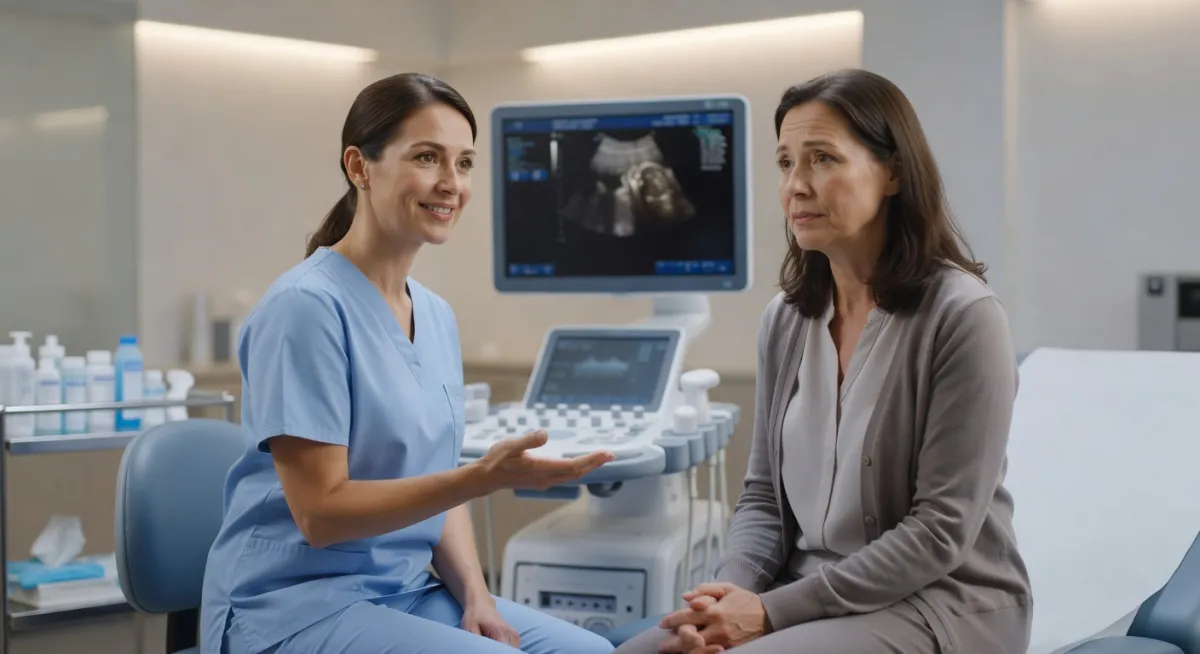
"sentence": "For sonographers and ultrasound technologists, building trust quickly with patients is a cornerstone of delivering high-quality care." Patients often arrive for ultrasound exams feeling vulnerable, anxious, or uncertain about the procedure and its outcomes. In these moments, the ability to build trust quickly can significantly impact their experience, compliance with instructions, and overall satisfaction with the healthcare process.
The role of a sonographer extends beyond technical expertise with imaging equipment. It encompasses the art of human connection, where empathy, clear communication, and professionalism converge to create a safe and reassuring environment. When trust is established early, patients are more likely to feel at ease, share critical information, and cooperate during the exam, leading to better diagnostic outcomes.
This comprehensive guide explores actionable strategies for sonographers to foster trust with ultrasound patients from the first interaction. By prioritizing patient-centered care and honing interpersonal skills, ultrasound professionals can make a lasting positive impact on those they serve.
- Approach each patient with genuine empathy and a non-judgmental attitude to create a safe emotional space.
- Use clear, simple language to explain the ultrasound process and address any concerns upfront.
- Maintain consistent eye contact and open body language to convey attentiveness and respect.
- Respect patient privacy and dignity by adhering to strict confidentiality and draping protocols.
- Actively listen to patient questions or fears, validating their emotions without rushing the conversation.
- Adapt communication styles to suit individual needs, considering cultural or personal differences.
- Follow up with reassurance or additional explanations if the patient seems uncertain or distressed.
The Importance of First Impressions in Ultrasound Settings
First impressions are critical in any healthcare interaction, and for sonographers, they set the tone for the entire ultrasound exam. The moment a patient enters the exam room, they are often assessing the sonographer's demeanor, tone, and body language to gauge whether they can feel safe and understood. A warm greeting, a friendly smile, and a professional introduction can immediately ease a patient's nerves and lay the groundwork for trust.
Sonographers should be mindful of how they present themselves, ensuring that their attire, posture, and facial expressions align with a compassionate and competent image. Patients are more likely to trust a professional who appears confident yet approachable. Taking a few seconds to introduce oneself by name and briefly explain the role can help demystify the process and humanize the interaction.
💼 Career Opportunities
Beyond verbal communication, non-verbal cues play a significant role in shaping first impressions. Maintaining appropriate eye contact, avoiding crossed arms, and showing attentiveness through nodding or small affirmations can signal to patients that their concerns matter. These subtle actions, when practiced consistently, contribute to a trusting atmosphere right from the start.

For more insights on creating positive initial encounters, explore additional resources in the First Impressions category, where practical tips for healthcare professionals are discussed in depth.
Effective Communication Strategies for Building Trust
Clear and empathetic communication is at the heart of building trust with ultrasound patients. Many individuals may not fully understand what an ultrasound entails or why it is necessary, leading to anxiety or misconceptions. Sonographers must take the time to explain the purpose of the exam, what to expect during the procedure, and how the results will be used, all while using layperson-friendly language.
As an Amazon Associate, we earn from qualifying purchases.
It's equally important to invite questions and listen actively to patient concerns. Some patients may hesitate to voice their fears, so sonographers should create an open dialogue by asking if there's anything the patient would like to know or if they have specific worries. Responding with patience and clarity, even to repetitive or seemingly simple questions, demonstrates respect and builds confidence in the sonographer's expertise.
Additionally, sonographers should be cautious about the tone and pace of their speech. Speaking too quickly or using overly technical jargon can overwhelm patients, while a calm and measured tone can provide reassurance. Tailoring communication to the individual's emotional state and comprehension level is key to fostering a trusting relationship.
For further guidance on enhancing verbal and non-verbal communication skills, the Patient Communication category offers valuable strategies tailored to ultrasound professionals.
Demonstrating Empathy and Emotional Intelligence
Empathy is a powerful tool for sonographers aiming to build trust quickly with ultrasound patients. Recognizing and validating a patient's emotions—whether they are fear, discomfort, or curiosity—can create a profound connection. A simple acknowledgment, such as saying, "It's completely normal to feel nervous about this," can go a long way in making a patient feel seen and understood.
Emotional intelligence, which involves perceiving and managing emotions in oneself and others, is equally vital. Sonographers often encounter patients in emotionally charged situations, such as expectant parents awaiting fetal imaging or individuals facing potential diagnoses. Being attuned to subtle cues, like a patient's body language or tone, allows sonographers to adjust their approach and offer appropriate support without overstepping professional boundaries.
Practicing empathy also means avoiding dismissive or overly clinical responses. Even when time constraints are tight, taking a moment to offer a kind word or a reassuring gesture can make a significant difference. Patients remember how they felt during an interaction more than the specific words spoken, so prioritizing emotional connection is essential.
Resources on developing empathy and emotional intelligence can be found in the Empathy and Emotional Intelligence category, providing sonographers with tools to enhance their patient interactions.
Respecting Privacy and Maintaining Professional Boundaries
Trust cannot be established without a firm commitment to patient privacy and professional boundaries. Ultrasound exams often involve sensitive areas of the body, and patients may feel exposed or vulnerable during the procedure. Sonographers must adhere to strict protocols, such as proper draping techniques and ensuring that only necessary personnel are present in the room, to protect patient dignity.
Compliance with privacy regulations, such as those outlined in healthcare guidelines, is non-negotiable. Sonographers should explain why certain steps are taken, such as closing doors or limiting access during the exam, to reassure patients that their confidentiality is a priority. Transparency about how images and data are handled also reinforces trust in the process.
Maintaining professional boundaries is another critical aspect of trust-building. While empathy and kindness are important, sonographers must avoid becoming overly personal or sharing inappropriate details about themselves or others. Striking the right balance between warmth and professionalism ensures that patients feel cared for without compromising the clinical relationship.
For more information on privacy standards and ethical practices, refer to the HIPAA Privacy and Professional Boundaries categories for in-depth discussions relevant to ultrasound professionals.
Handling Anxiety and Emotional Responses with Care
Ultrasound patients often experience heightened anxiety, especially when awaiting potentially life-altering results or undergoing unfamiliar procedures. Sonographers play a pivotal role in managing these emotional responses by creating a calming environment and offering reassurance. Simple actions, like maintaining a steady and soothing tone or providing a brief overview of the process, can alleviate some of the stress patients feel.
It's important for sonographers to recognize signs of anxiety, such as fidgeting, rapid speech, or avoidance of eye contact, and respond with patience. Offering small comforts, like ensuring the room temperature is comfortable or allowing a support person to be present if policy permits, can help ease tension. However, sonographers must also be mindful of their scope of practice and avoid making promises or speculative comments about results.
When patients express strong emotional reactions, such as fear or sadness, sonographers should validate these feelings without taking on a counseling role. A statement like, "It's okay to feel this way, and I'm here to help you through the exam," can provide comfort while maintaining professionalism. Knowing when to involve other healthcare team members, such as a physician or counselor, is also crucial in supporting the patient's needs.
Additional strategies for supporting anxious patients are available in the Managing Anxious Patients category, offering practical advice for ultrasound technologists facing these common scenarios. For authoritative guidance, refer to the NPS and NPS websites.
Frequently Asked Questions
Why is building trust important for ultrasound patients?
Building trust is essential because it helps patients feel safe and comfortable during ultrasound exams, which can be emotionally and physically sensitive. Trust encourages better cooperation, reduces anxiety, and improves the overall quality of care by fostering open communication between the patient and sonographer.
How can sonographers make patients feel more comfortable during an exam?
Sonographers can enhance comfort by explaining the procedure in simple terms, using proper draping to maintain privacy, and maintaining a warm, empathetic demeanor. Small gestures, like ensuring a comfortable room environment and checking in on the patient's needs, also contribute to a positive experience.
What should a sonographer do if a patient seems very anxious?
If a patient appears anxious, the sonographer should acknowledge their feelings with empathy, offer reassurance about the process, and provide clear explanations to reduce uncertainty. Maintaining a calm presence and avoiding rushed interactions can help, as can involving additional support staff if the anxiety persists.
How can sonographers balance empathy with professional boundaries?
Sonographers can balance empathy and boundaries by showing kindness and understanding while avoiding personal disclosures or overly familiar behavior. Focusing on the patient's needs, adhering to ethical guidelines, and maintaining a clinical tone during sensitive discussions help preserve professionalism.
Where can sonographers learn more about patient trust and communication?
Sonographers can access resources through professional organizations like ARDMS and SDMS, which offer guidelines and training on patient interaction. Additionally, exploring categories like Building Trust and Patient Communication on relevant platforms provides targeted insights.
Final Thoughts
Building trust quickly with ultrasound patients is a skill that combines technical proficiency with heartfelt compassion. By focusing on first impressions, effective communication, empathy, privacy, and emotional support, sonographers can transform a potentially stressful experience into one of reassurance and care. These efforts not only enhance patient satisfaction but also contribute to more accurate diagnostics and a stronger healthcare relationship.
As ultrasound technologists continue to refine their approach to patient interactions, the impact of trust-building becomes evident in every exam room encounter. For those seeking to deepen their expertise, exploring related topics and resources is a valuable next step. Dive into the Building Trust category to discover more strategies and connect with a community of professionals dedicated to patient-centered care.