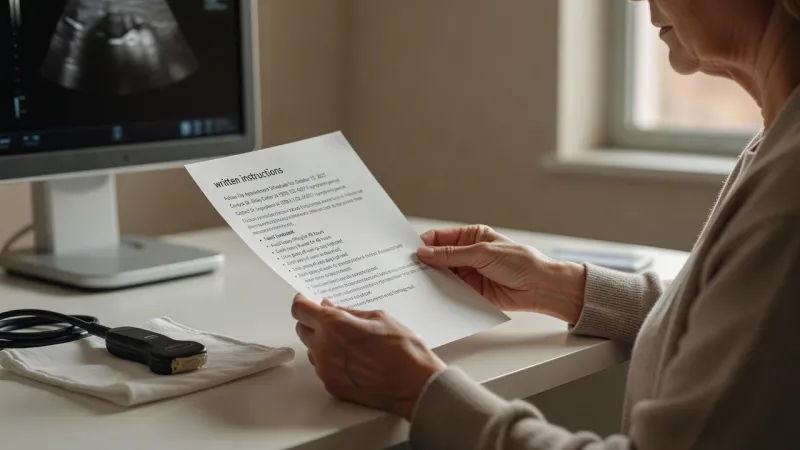
Sonographers often face language barriers during patient exams. Effective communication matters in diagnostic imaging. Knowing how to access an interpreter in healthcare helps ultrasound technologists deliver accurate care. This process supports clear instructions and informed consent.
- Identify language needs before the appointment starts.
- Use approved hospital interpreter services first.
- Avoid family members for medical discussions.
- Document interpreter use in patient records.
- Prepare key phrases for common ultrasound instructions.
- Follow up with patients after the exam.
- Review facility policies on interpreter access regularly.
Why Language Access Matters in Diagnostic Imaging
Patients from diverse backgrounds visit imaging departments daily. Sonographers must explain procedures clearly. Misunderstandings can lead to poor exam quality or safety issues. Clear language support builds trust with every patient.
Ultrasound technologists work under time pressure in many settings. An interpreter ensures instructions are followed during scans. This step reduces repeat exams and improves outcomes. Facilities expect staff to follow language access rules.
Training programs teach basic patient interaction skills. Yet real situations require quick decisions on interpreter needs. Experienced sonographers recommend checking records in advance. Preparation prevents delays during busy shifts.
Diagnostic imaging involves sensitive topics like pregnancy or tumors. Accurate translation protects patient privacy and understanding. Staff who plan ahead handle these moments better. Resources from professional groups guide proper steps.
💼 Career Opportunities
How to Access an Interpreter in Healthcare Settings
Start by reviewing the patient intake form for language notes. Most hospitals have a dedicated language services line. Call that number to request an in-person or video interpreter. Confirm the appointment time to allow scheduling.
Some facilities use video remote interpreting devices in exam rooms. Sonographers learn to operate these tools during orientation. Test the connection before the patient arrives. This method works well for last-minute needs.
Approved interpreters follow medical terminology standards. They understand privacy rules that apply to all staff. Ultrasound technologists stay in control of the conversation flow. The interpreter handles only the translation task.
Always note the interpreter identification number in the chart. This record supports compliance and quality review later. Patient communication improves when these steps become routine. Facilities track usage to meet regulatory requirements.
Best Practices for Sonographers During Exams
Speak directly to the patient even with an interpreter present. Pause after each short sentence for translation. Watch body language for signs of confusion. Adjust explanations as needed based on feedback.
Ultrasound technologists often describe probe placement and breathing instructions. Simple words work best in these moments. Avoid medical jargon that may not translate cleanly. Practice common phrases in advance with colleagues.
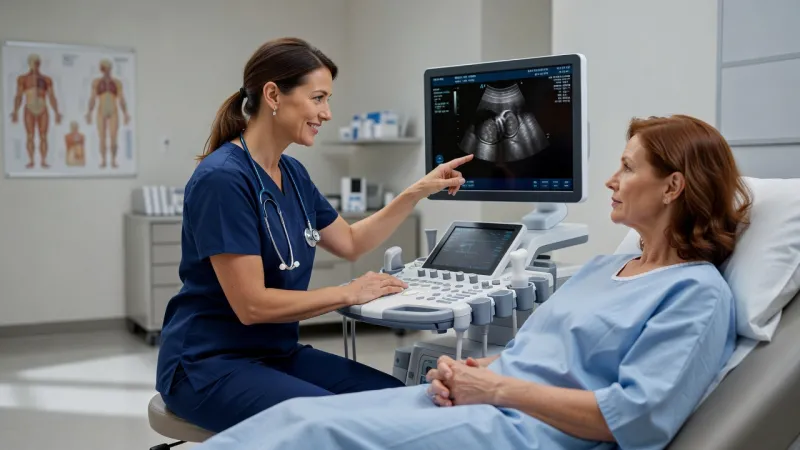
Video interpreters require good lighting and camera angles. Position the device so the patient sees the interpreter clearly. Sonographers maintain eye contact with the patient throughout. This approach keeps the focus on care.
Some exams require multiple instructions over several minutes. Break directions into small segments. Confirm understanding after each key step. This method supports accurate imaging results.
Resources and Training for Imaging Professionals
Professional organizations provide guidance on language services. The SDMS offers materials on patient interaction standards. Sonographers can review these during continuing education time. Regular updates keep staff informed of new options.
Many hospitals require annual training on interpreter use. These sessions cover legal requirements and best techniques. Ultrasound technologists benefit from role-play exercises. Practice builds confidence for real patient encounters.
Certification bodies like the ARDMS emphasize communication skills. Language access fits within broader professionalism standards. Staff who pursue credentials often study these topics. Preparation supports career growth in the field.
Department leads can share facility-specific contact lists. Sonographers should keep quick-reference cards at their workstations. Easy access speeds up the request process during shifts. Consistent use improves overall department performance.
Common Challenges and Solutions
After-hours requests sometimes lack immediate interpreter availability. Video services provide backup options in these cases. Sonographers learn to prioritize urgent exams first. Planning reduces stress when resources are limited.
Patients may prefer family members as interpreters. Staff explain why professional interpreters are required. This conversation protects accuracy and compliance. Clear policies help navigate these situations.
Technical terms in ultrasound reports need precise translation. Interpreters receive training on medical vocabulary. Sonographers can provide context before complex discussions. Teamwork leads to better patient understanding.
Documentation errors happen when steps are skipped. Double-check records after each interpreted exam. This habit supports quality audits and legal protection. Professionalism ethics standards guide these practices.
Frequently Asked Questions
How to access an interpreter in healthcare for ultrasound patients?
Review patient forms for language preferences before the exam. Contact the facility language line to request support. Schedule video or in-person interpreters in advance when possible. Document every use in the medical record for compliance.
What steps help sonographers use interpreters effectively?
Speak directly to the patient in short clear sentences. Pause often for accurate translation of instructions. Maintain eye contact and observe patient reactions throughout. Confirm understanding after key steps in the procedure.
Where do ultrasound technologists find approved interpreters?
Most facilities maintain a dedicated language services department. Video remote options are available in many exam rooms. Staff receive training on these tools during orientation. Quick reference cards at workstations speed up requests.
Why should these roles avoid using family interpreters?
Family members may miss medical terms or add personal opinions. Professional interpreters follow privacy and accuracy rules. This protects both the patient and the imaging process. Policies require approved services for all clinical discussions.
How does this field improve communication with diverse patients?
Positions in this industry follow established language access protocols. Training covers video tools and documentation steps. Consistent practices reduce errors and build patient trust. Resources from professional groups support ongoing skill development.
Final Thoughts
Sonographers and ultrasound technologists benefit from clear interpreter access steps. These practices support accurate exams and strong patient relationships. Regular training keeps skills current in busy imaging departments.
Facilities that prioritize language services see better outcomes. Staff should review policies often and use available resources. Career development includes mastering these essential communication tools for long-term success.