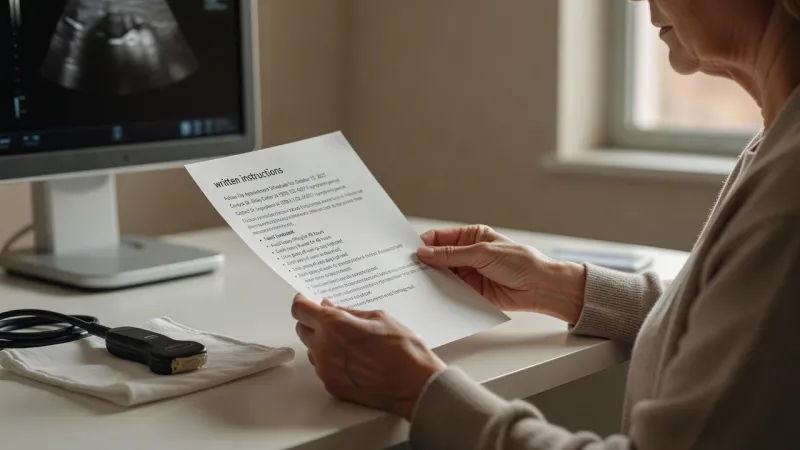
Sonographers often encounter patients who speak different languages during ultrasound procedures. Clear communication becomes essential for accurate imaging and patient safety. A language interpreter in healthcare bridges these gaps effectively.
Ultrasound technologists must understand how to integrate interpreters into daily workflows. This approach reduces errors and builds trust with diverse patient populations. Proper use of these services aligns with professional standards in diagnostic imaging.
- Schedule interpreters in advance for complex exams to avoid delays in patient scheduling.
- Position the interpreter beside the patient during scans for better eye contact and understanding.
- Provide briefings to interpreters about specific ultrasound terminology before the appointment begins.
- Document interpreter involvement in patient records to maintain compliance and continuity of care.
- Train staff on recognizing when family members should not serve as interpreters in sensitive situations.
- Review institutional policies on interpreter services to ensure consistent application across departments.
- Follow up with patients after exams to confirm understanding of results and next steps.
Why Language Interpreter in Healthcare Matters for Sonographers
Patients from varied backgrounds visit ultrasound departments every day. Misunderstandings during exams can lead to incomplete scans or incorrect instructions. Sonographers rely on accurate information from patients about symptoms and medical history.
A language interpreter in healthcare ensures that details reach the technologist without distortion. This process supports precise diagnostic imaging outcomes. Experienced ultrasound technologists note improved patient cooperation when interpreters participate.
Departments that prioritize these services see fewer repeat visits due to communication issues. Sonographers report higher job satisfaction in supportive environments. The role extends beyond translation to cultural clarification in some cases.
💼 Career Opportunities
Healthcare facilities invest in interpreter training to match clinical needs. Ultrasound teams benefit when interpreters understand basic scanning protocols. This collaboration strengthens overall care quality in imaging centers.
Challenges Ultrasound Technologists Face with Interpreters
Time constraints during busy shifts can complicate interpreter coordination. Sonographers must balance exam efficiency with thorough explanations. Remote video interpreters sometimes introduce technical glitches in fast-paced settings.
Specialized medical terms in ultrasound require interpreters with healthcare experience. General interpreters may miss nuances about probe placement or breathing instructions. Training helps address these gaps over time.
As an Amazon Associate, we earn from qualifying purchases.
Patient privacy concerns arise when multiple parties join the conversation. Ultrasound technologists follow strict protocols to protect sensitive information. Clear boundaries keep interactions professional at all times.
Staff shortages in interpreter pools affect smaller clinics more than large hospitals. Sonographers adapt by learning basic phrases in common languages. Resources from SDMS offer guidance on these adaptations.
Best Practices for Working with Interpreters in Diagnostic Imaging
Brief the interpreter on the exam purpose before meeting the patient. Sonographers explain key terms such as Doppler or biopsy in simple language. This preparation leads to smoother interactions during the procedure.

Maintain eye contact with the patient rather than the interpreter throughout the scan. Ultrasound technologists speak directly to build rapport. Short sentences help interpreters convey information accurately.
Allow extra time for questions after the imaging portion concludes. Patients may need clarification on follow-up care. Documentation of the session supports continuity in patient communication.
Review recordings or notes when available for quality assurance. Regular feedback sessions improve future collaborations. These steps create reliable routines in busy imaging departments.
Legal and Ethical Considerations in Interpreter Use
Regulations require qualified interpreters for medical discussions in many facilities. Sonographers avoid using family members for official translations in critical cases. This practice protects patient rights and reduces liability risks.
Ethical guidelines emphasize accuracy over speed during patient interactions. Ultrasound technologists consult resources on professional standards. ARDMS materials address related responsibilities in credentialing.
Consent processes demand clear understanding from all patients. Interpreters help confirm agreement to procedures without pressure. Records must reflect these steps for audit purposes.
Violations can result in compliance issues for the department. Training programs cover these topics regularly. Sonographers stay informed through continuing education opportunities.
Training Resources for Sonography Professionals
Workshops on interpreter collaboration appear in many certification pathways. Ultrasound technologists gain skills through targeted modules on communication. These sessions cover real scenarios from imaging environments.
Online modules allow flexible learning for busy staff. Departments encourage participation to meet quality benchmarks. Peer mentoring pairs new hires with experienced colleagues.
Updates on policies keep teams current with regulations. Sonographers track changes through professional networks. This ongoing development supports career growth in healthcare careers.
Access to glossaries tailored for ultrasound terms aids daily work. Regular practice reinforces proper techniques. Facilities that invest in training report better patient outcomes.
Frequently Asked Questions
How does a language interpreter in healthcare assist during ultrasound exams?
Interpreters translate patient history and instructions in real time. They help sonographers explain probe movements and breathing cues accurately. This support reduces anxiety and improves image quality. Patients receive clearer information about results and follow-up needs. Sonographers note fewer errors when interpreters join the process.
What training helps sonographers use interpreters effectively?
Workshops focus on medical terminology and session flow. Staff learn to speak in short phrases for better translation. Role-play exercises build confidence in high-pressure situations. Resources from professional groups provide ongoing support. These skills enhance daily interactions in imaging departments.
When should family members not act as interpreters in medical scans?
Family involvement risks bias or incomplete information in sensitive cases. Regulations often require neutral professionals for consent discussions. Sonographers follow facility policies to protect privacy. This approach maintains accuracy during diagnostic procedures. Positions in this industry emphasize these safeguards.
How do ultrasound departments schedule interpreters for peak hours?
Advance booking systems match interpreter availability with exam slots. Teams prioritize complex cases that need detailed explanations. Backup options include video services for urgent needs. Coordination reduces wait times for patients. This field benefits from organized planning.
What documentation follows interpreter use in sonography reports?
Records note the interpreter name and session duration. Notes confirm patient understanding of instructions. This practice supports legal compliance and care continuity. Technologists update charts promptly after each exam. These roles value thorough record keeping.
Final Thoughts
Sonographers who master interpreter collaboration deliver better care in diverse settings. Consistent application of best practices leads to stronger patient relationships and accurate results. Facilities that support these efforts see lasting improvements in workflow.
Professionals can explore related topics through professionalism ethics resources. Continued learning keeps teams prepared for evolving patient needs. Action today builds stronger imaging departments for tomorrow.