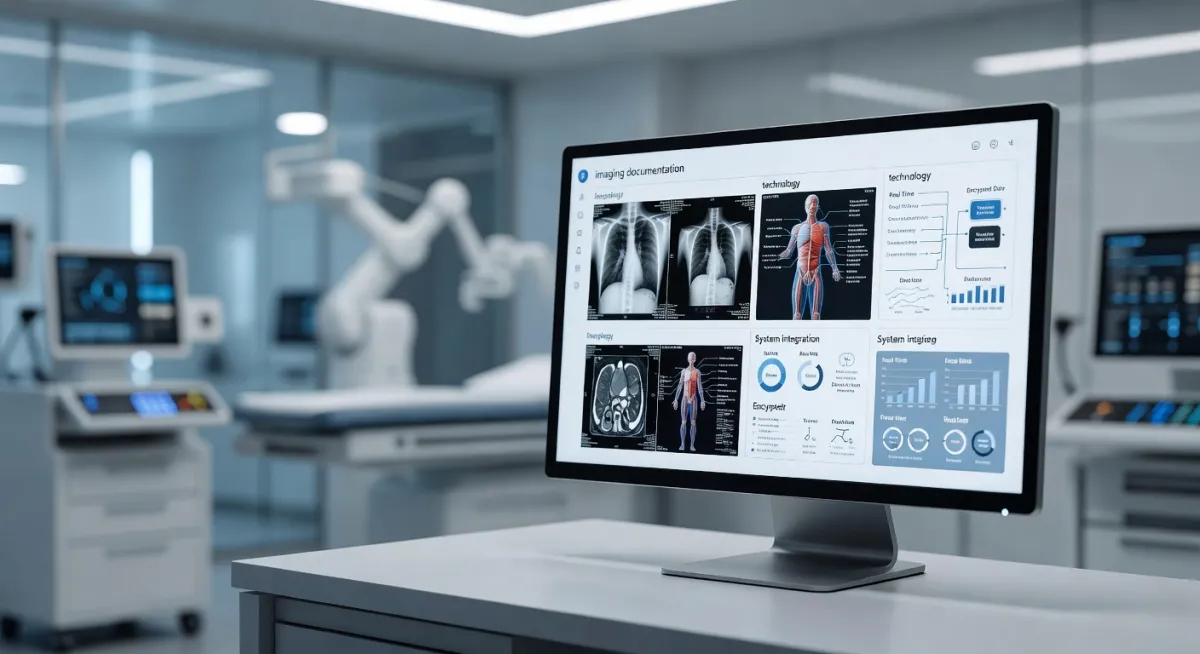
Sonographer documentation after disclosure protocols helps maintain clear records in every ultrasound exam. These steps protect patients and staff alike. Accurate notes support good care and legal safety. Sonographers face many situations that require careful writing after any disclosure.
Records must show what was said and when. They must note who was present. Details matter for future reference. Good habits reduce errors over time.
- Record the exact time of any disclosure right away.
- Note the names of everyone in the room during the talk.
- Write what information was shared with the patient.
- Include any questions the patient asked and the answers given.
- Sign and date every entry without delay.
- Follow facility rules for storing these notes securely.
- Review entries later to confirm they remain complete.
Why Records Matter After Patient Talks
Clear notes create a reliable history of events. They help other team members understand prior steps. This practice supports continuity across shifts. Sonographers benefit when details stay consistent.
Legal reviews often check these records first. Missing facts can create problems later. Strong documentation shows professional care at every stage. It builds trust with supervisors and peers.
Patients may recall events differently over time. Written entries provide an objective source. They protect both sides in any review. Routine use of these methods becomes second nature with practice.
💼 Career Opportunities
Facilities expect staff to follow set formats. Training covers these points during orientation. New hires learn the value through examples. Experienced staff reinforce the habit daily.

As an Amazon Associate, we earn from qualifying purchases.
Implementing Sonographer Documentation After Disclosure Protocols
Start by using the required form or system at your site. Enter the date and time first. List all participants next. Then describe the conversation in simple terms.
Keep language neutral and factual. Avoid opinions or extra comments. Stick to what was observed and stated. This approach keeps entries professional.
Check the entry before saving. Make sure spelling and names are correct. Add any follow up actions planned. Save the file in the proper location right away.
Share the record with the supervising physician when required. Keep a personal copy only if policy allows. Never alter an entry after it is saved. Add corrections as new notes instead.

Common Challenges for Ultrasound Technologists
Busy schedules can make quick notes hard. Yet rushed writing leads to gaps. Set aside a few minutes after each case. This small step prevents larger issues later.
Emotional talks can cloud memory. Write key points while they remain fresh. Use short phrases if time is tight. Expand them during a break if needed.
Some patients ask many questions at once. Note each topic covered. Group similar items to keep order. This structure helps anyone reading the file later.
Shift changes create hand off risks. Complete records reduce confusion for the next person. Clear notes let others continue care smoothly. They also meet audit standards without extra work.
Training and Support Resources
Many sites offer classes on proper record keeping. These sessions cover real examples from daily work. Staff learn how to handle edge cases. Practice builds confidence in the process.
Professional groups provide guidance too. SDMS shares tools for sonographers. Members can review sample forms and templates. Regular updates keep advice current.
Credential groups set baseline standards. ARDMS includes ethics topics in exams. Preparation helps new sonographers meet expectations. Ongoing learning supports long term success.
Peer mentoring works well in busy departments. Seasoned staff can review early entries. Feedback improves future documentation quality. This culture strengthens the whole team.
Online modules from professionalism and ethics offer flexible study. Topics include sample disclosure scenarios. Learners practice writing entries in safe settings. Completion certificates often count toward renewal credits.
Best Practices for Daily Use
Carry a small notebook for quick notes during scans. Transfer details to the official record soon after. This habit prevents loss of key facts. It also speeds up later writing.
Use consistent terms across all entries. Avoid abbreviations that others may not know. Standard language improves clarity for readers. It reduces questions during reviews.
Double check patient identifiers every time. Wrong names create serious errors. Accurate details protect everyone involved. They also meet privacy rules without extra effort.
Store records according to site policy. Secure systems prevent unauthorized access. Regular backups protect against data loss. These steps keep information safe and available.
Review your own past entries from time to time. Look for patterns or areas to improve. Self checks support steady growth in skill. They prepare staff for audits as well.
Link these habits to broader career growth through patient communication resources. Strong records support better talks with patients. They also aid teamwork across departments. Consistent practice leads to smoother workflows.
Frequently Asked Questions
What does sonographer documentation after disclosure protocols involve?
Sonographer documentation after disclosure protocols requires timely and factual notes after any patient conversation about findings. Staff record the time, people present, and topics discussed. This creates a clear history for care teams and any later reviews. Accurate entries support both patient safety and professional standards in ultrasound settings.
How can ultrasound technologists improve their disclosure notes?
Ultrasound technologists can improve notes by using facility templates and writing while details stay fresh. They list exact words shared and any patient questions. Short, neutral language works best. Regular training and peer review help maintain quality over time.
Why do these roles need strong record habits after talks?
These roles deal with sensitive information that can affect treatment plans. Strong records reduce misunderstandings during shift changes. They also protect staff during audits or legal checks. Clear notes show the care provided at each step.
Where do positions in this industry find protocol training?
Positions in this industry find protocol training through workplace orientation and professional society courses. Many hospitals offer short modules on documentation rules. Online options allow flexible study during off hours. Certification groups also include these topics in renewal paths.
When should staff in this field update disclosure entries?
Staff in this field should update entries right after the conversation ends. Any delay risks lost details from busy shifts. Add new facts only as fresh notes if needed later. This keeps the original record intact and trustworthy.
Final Thoughts
Sonographer documentation after disclosure protocols supports safe and professional care in every setting. Consistent habits protect patients and staff while meeting facility standards. Small daily steps lead to stronger overall practice.
Review your current process and adopt one new habit this week. Resources on professionalism and ethics can guide further growth. Clear records benefit the entire imaging team over time.