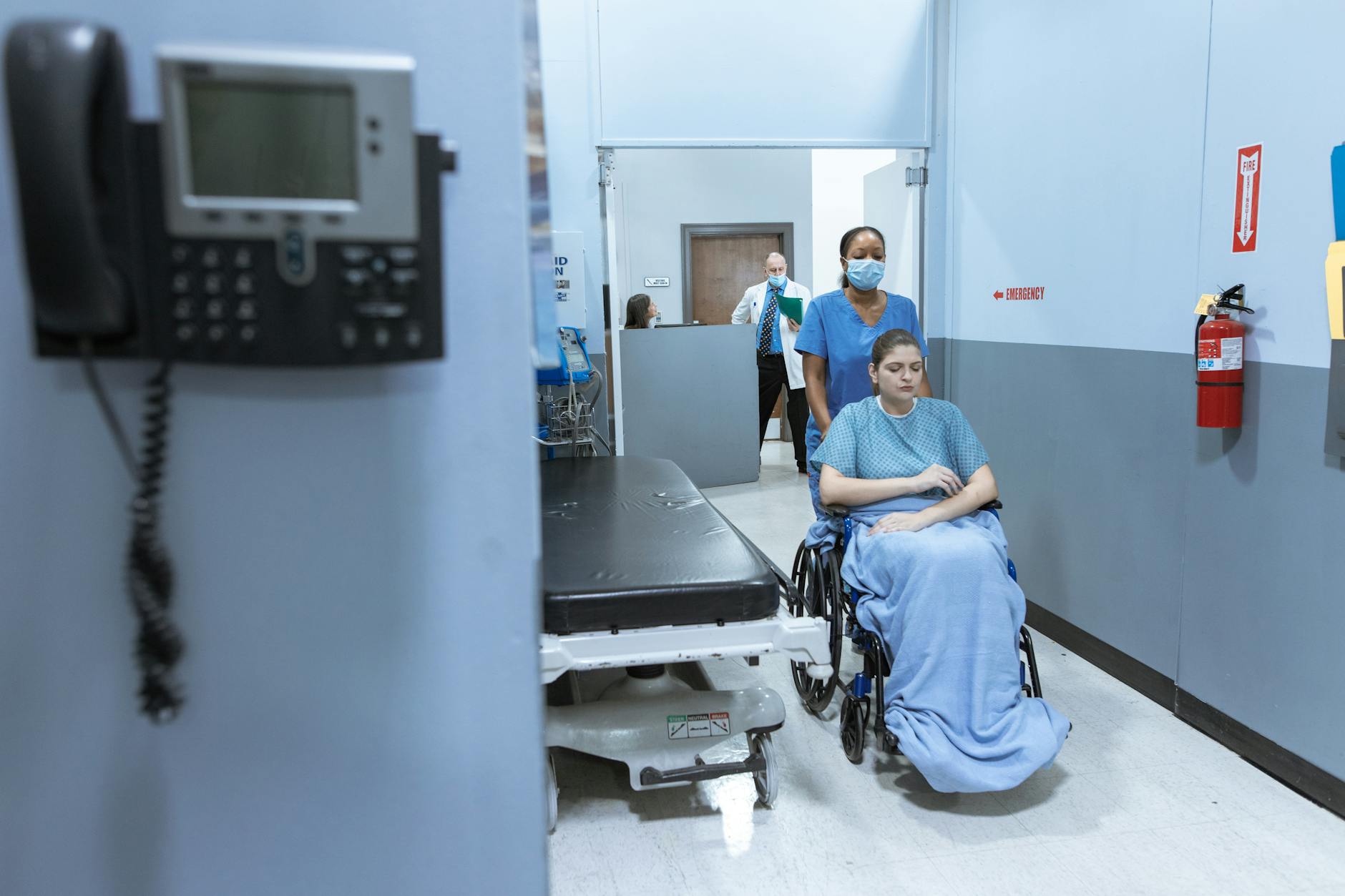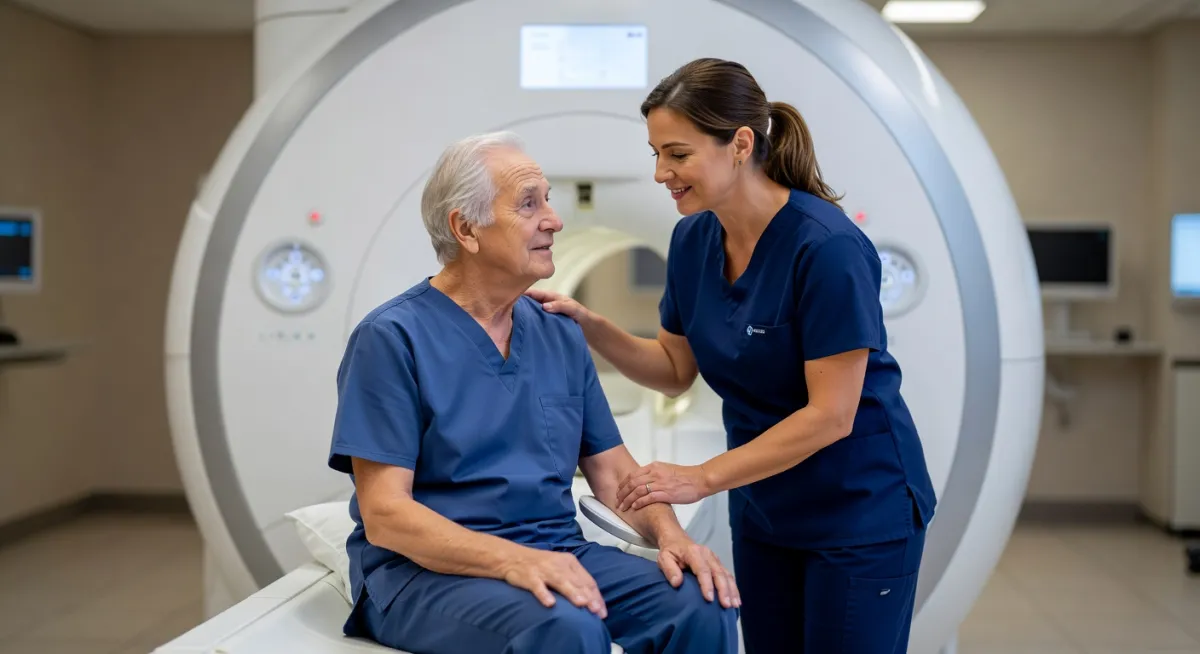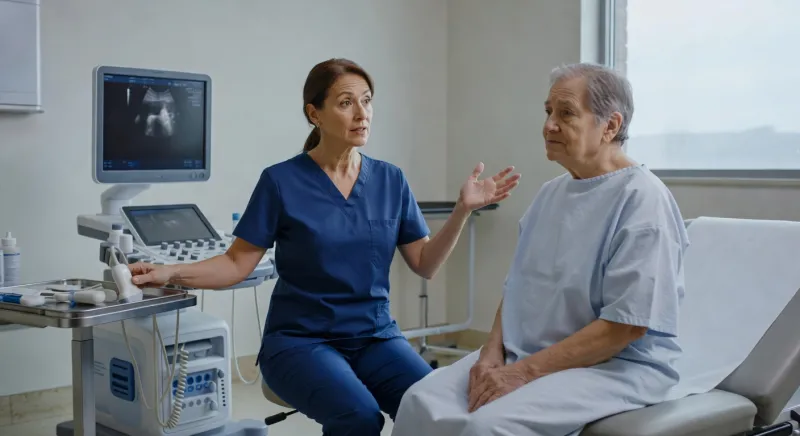
Sonographers support elderly patient care at home in meaningful ways. Many older adults receive diagnostic imaging without leaving their residence. Ultrasound technologists handle mobile equipment during these visits. This approach reduces stress for patients and families alike.
Home environments present unique demands for imaging staff. Sonographers must adapt quickly to different spaces and routines. They focus on safety while delivering accurate results. Professional skills grow through these real world experiences.
- Prepare equipment thoroughly before each home visit to ensure smooth scans.
- Assess the physical space for safe positioning of patients and machines.
- Communicate clearly with family members involved in daily care routines.
- Document findings with attention to detail for remote review by physicians.
- Maintain infection control standards in non clinical home settings.
- Build rapport fast to ease anxiety during ultrasound procedures.
- Stay updated on mobile technology for better service delivery.
Understanding Sonography Support for Elderly Patient Care at Home
Sonography helps detect common issues in older adults during home visits. Ultrasound technologists use portable devices to check organs and blood flow. These scans guide treatment plans without hospital trips. Families appreciate the convenience of this service option.
Diagnostic imaging in homes requires careful planning by sonographers. They review patient history before arrival at the residence. Equipment checks prevent delays during the appointment. Safety remains the top priority throughout the process.
Ultrasound professionals note that home settings vary widely. Some homes have narrow hallways that limit machine movement. Others offer open areas for easy access. Sonographers adjust techniques based on these conditions.
💼 Career Opportunities
Training helps ultrasound technologists handle these variations effectively. They learn to position patients comfortably in beds or chairs. Clear instructions reduce movement during scans. Results stay reliable despite the non traditional location.
Challenges Sonographers Face in Home Based Elderly Care
Ultrasound technologists encounter space limitations during home appointments. Furniture often blocks ideal scanning positions. Sonographers rearrange items with permission to create workable areas. Patience proves essential in these situations.
Patient mobility issues add another layer of complexity. Many elderly individuals need assistance to sit or lie down. Sonographers coordinate with caregivers for safe transfers. This teamwork prevents injuries during procedures.
As an Amazon Associate, we earn from qualifying purchases.
Lighting conditions in homes can affect image quality. Sonographers bring portable lights when natural sources fall short. They test settings on equipment to optimize views. Adjustments happen quickly to maintain workflow.
Time management becomes critical on busy schedules. Sonographers plan routes between multiple home visits. They allow extra minutes for unexpected delays. This approach keeps appointments on track overall.
Best Practices for Diagnostic Imaging in Home Environments
Preparation starts with a full equipment checklist for each trip. Ultrasound technologists verify probes and gel supplies in advance. They carry backup batteries for extended use. Reliable tools lead to better outcomes every time.
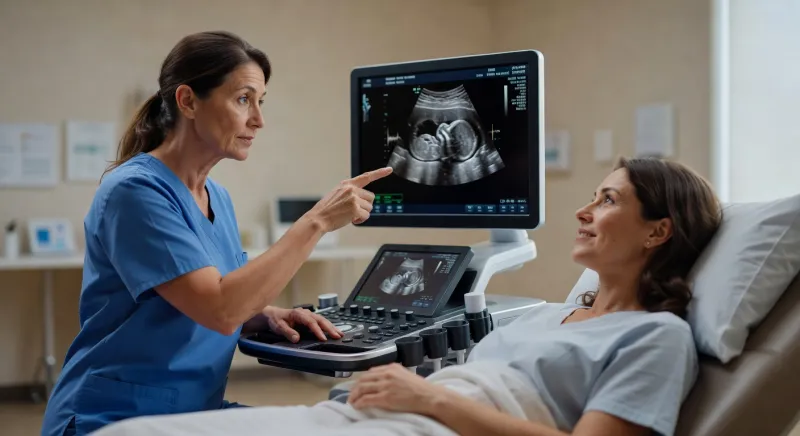
Patient comfort comes first during scans at home. Sonographers explain steps in simple terms before starting. They pause as needed to address concerns. This method builds trust quickly with older adults.
Accuracy in reporting matters greatly for follow up care. Sonographers note any limitations from the home setting. They flag images for radiologist review when questions arise. Clear notes support informed decisions by doctors.
Follow up communication closes the loop after visits. Ultrasound staff share basic results with primary caregivers when allowed. They direct complex questions to physicians. This keeps everyone informed without overstepping roles.
Communication Skills for Ultrasound Visits in Homes
Sonographers rely on strong communication during elderly patient care at home. They greet patients warmly and introduce the procedure. Simple language avoids confusion for those with hearing loss. Eye contact helps maintain connection throughout.
Family members often participate in these sessions. Ultrasound technologists include them in explanations when appropriate. This inclusion reduces worry and encourages cooperation. Questions get answered on the spot for clarity.
Active listening reveals important details about patient health. Sonographers note changes reported by families during visits. These insights add context to imaging findings. Records reflect a fuller picture as a result.
Professional boundaries stay firm even in casual home settings. Sonography professionals learn these skills through targeted resources. They focus on care while respecting personal space. This balance supports positive experiences for all involved.
Career Growth in Home Based Healthcare Careers
Ultrasound technologists find rewarding paths in home care services. These roles expand beyond hospital walls for variety. Sonographers gain exposure to diverse patient needs daily. Skills in adaptability grow stronger over time.
Certifications from ARDMS add value for mobile positions. They demonstrate expertise in specialized scanning techniques. Employers seek candidates with such credentials. Advancement opportunities increase with added qualifications.
Networking through SDMS opens doors to home care teams. Members share experiences from similar work environments. This exchange informs better practices across the field. Connections lead to new job leads often.
Travel flexibility appeals to many in this line of work. Sonographers set schedules around personal commitments. Home visits allow focused one on one time with patients. Satisfaction rises from direct impact on daily lives.
Professional Standards in Mobile Ultrasound Roles
Ethics guide every decision during home based scans. Sonographers protect privacy even outside clinical walls. They follow protocols for data handling on portable devices. Compliance builds lasting credibility with clients.
Continuing education keeps skills current in this area. Ultrasound technologists attend sessions on home care updates. New techniques improve scan efficiency and comfort. Knowledge stays relevant through regular learning efforts.
Team collaboration extends to home health aides and nurses. Sonographers coordinate timing to avoid conflicts in routines. Shared goals center on patient well being overall. Respect for each role strengthens service quality.
Self care matters for those handling frequent travel. Sonographers schedule breaks between appointments to recharge. Physical demands of carrying equipment require attention. Healthy habits sustain long careers in these positions.
Many find growth through dedicated professional development paths. These resources address real scenarios in home settings. Sonographers apply lessons directly to daily work. Standards rise across the profession as a whole.
Frequently Asked Questions
What does elderly patient care at home involve for sonographers?
Sonographers perform portable ultrasound exams in patient residences. They adapt to home layouts and work with family caregivers. Safety checks and clear communication form key parts of each visit. Results support ongoing treatment without clinic travel.
How do ultrasound technologists prepare for elderly patient care at home?
They review histories and pack full equipment kits ahead of time. Space assessments happen upon arrival to ensure safe setups. Infection controls stay strict even in personal homes. Coordination with families helps sessions run smoothly.
Why choose home visits over clinic scans for older adults?
These roles reduce physical strain on patients with limited mobility. Familiar surroundings lower anxiety during diagnostic imaging. Sonographers deliver the same quality results in convenient locations. Families gain peace of mind from reduced logistics.
What skills help in this field for daily success?
Positions in this industry reward strong adaptability and quick problem solving. Clear explanations build trust with patients and relatives alike. Equipment handling in varied spaces requires practice and focus. Documentation accuracy supports seamless care transitions.
How does this work differ from hospital ultrasound jobs?
This field emphasizes independent travel and flexible scheduling. Sonographers manage their own routes and time between homes. Interaction stays personal with fewer team members on site. Equipment stays compact yet fully functional for quality scans.
Final Thoughts
Elderly patient care at home offers sonographers meaningful ways to apply their expertise. Mobile ultrasound services meet growing needs in community settings. Professionals gain diverse experience while supporting patient comfort.
Continued learning strengthens performance in these roles. Resources on career development help ultrasound technologists advance. Many explore options through established professional networks.
Start by reviewing available training for mobile services today. Check career development options for sonographers. These steps lead to rewarding paths in home based care.