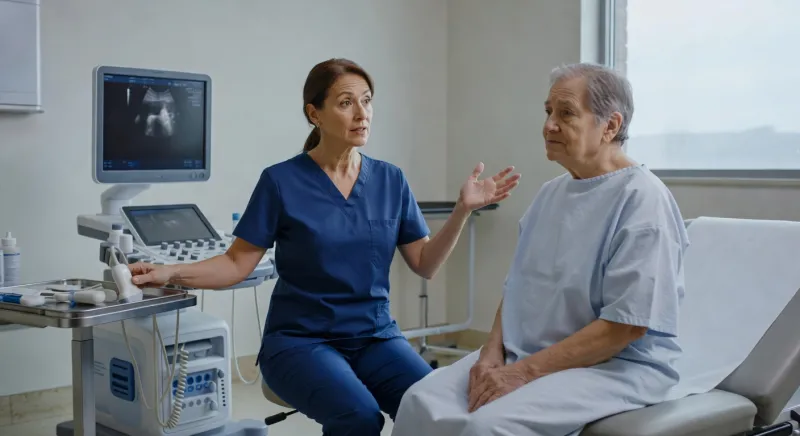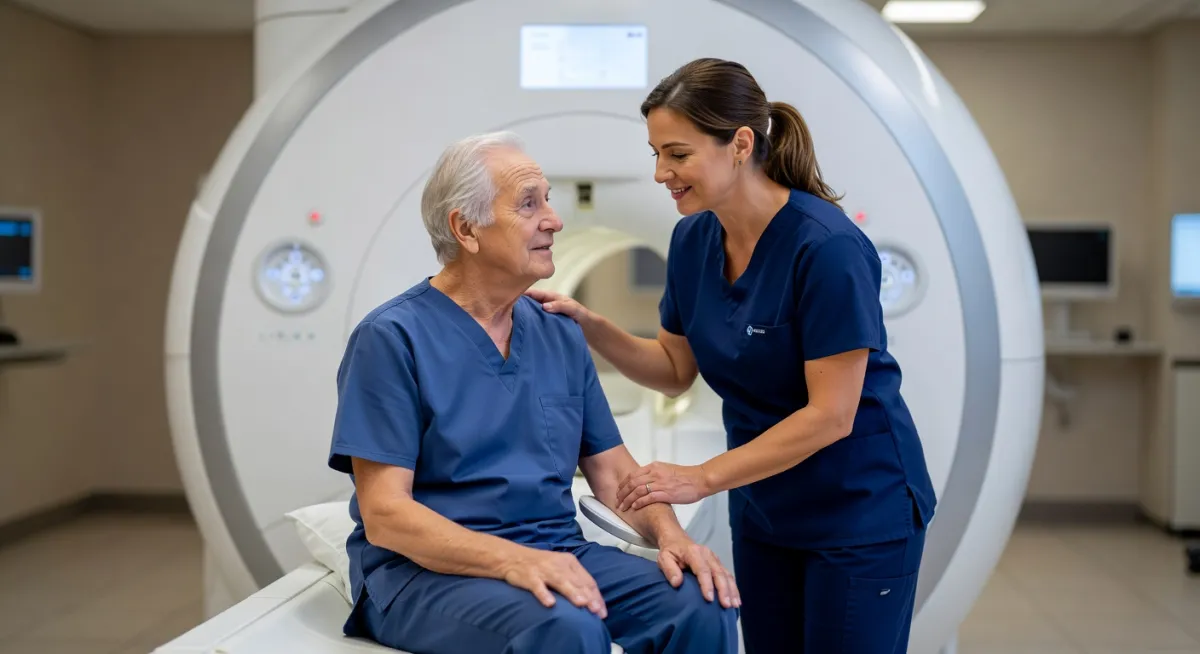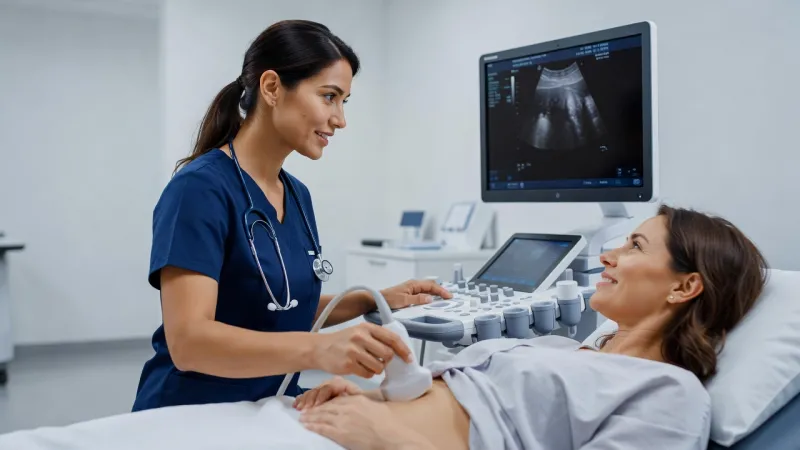
Elderly patient care hospital environments present unique demands for imaging staff. Sonographers often work with older adults who have multiple health conditions. These patients may need extra time during scans. Proper preparation helps improve outcomes in such cases.
- Assess mobility needs before each exam to ensure safety.
- Use clear language when explaining procedures to reduce anxiety.
- Adjust equipment settings for common age related changes in tissue.
- Coordinate with nurses on patient positioning and comfort.
- Document findings with attention to relevant history details.
- Seek ongoing training in geriatric imaging techniques.
Understanding Elderly Patient Care Hospital Needs
Older adults in hospital settings frequently require imaging for chronic issues. Sonographers must recognize common conditions like reduced mobility. They also handle cases involving heart or vascular changes. Types of care for the elderly often include acute monitoring during stays.
Staff should prepare rooms to accommodate wheelchairs or walkers. This step prevents delays and supports patient dignity. What are the different levels of care for the elderly? They range from basic monitoring to intensive support units. Sonographers adapt their approach based on these levels.
Types of care units in hospital facilities influence workflow. Cardiac units may call for frequent vascular scans. General floors need quick abdominal checks. Experienced ultrasound technologists plan schedules around these patterns.
Patient history often reveals prior surgeries or medications. These details guide probe selection and scan focus. Sonographers review charts to spot potential complications early. This practice leads to more accurate results.
💼 Career Opportunities
Sonographer Responsibilities in These Settings
Ultrasound technologists play a direct role in elderly patient care hospital routines. They perform scans that guide treatment decisions. Staff must maintain steady communication with the care team. This ensures timely updates on patient status.
Positioning older adults requires gentle handling and extra pillows. Many patients have joint stiffness or breathing limits. Sonographers adjust techniques to complete exams efficiently. They also monitor for signs of discomfort throughout.
Diagnostic imaging helps track fluid buildup or organ changes. These findings support decisions on medication or further tests. Professionals stay alert for subtle variations common in aging bodies.
Coordination with physicians happens after each scan. Reports highlight urgent issues first. This approach speeds up responses in busy wards. Training through ARDMS builds skills for these tasks.
Communication Strategies for Imaging Professionals
Clear explanations reduce fear during procedures. Sonographers speak slowly and confirm understanding at each step. Family members may join discussions when appropriate. This builds cooperation from the start.
Nonverbal cues matter with patients who have hearing limits. Eye contact and calm gestures help convey reassurance. Staff avoid jargon that could confuse older listeners. Simple terms keep everyone informed.
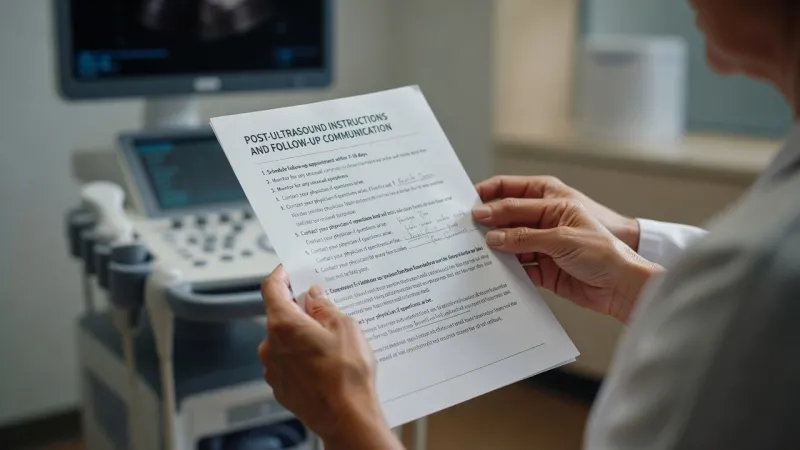
Patient communication resources offer additional guidance for staff. These cover handling confusion or memory concerns. Regular practice improves interactions over time. Feedback from colleagues refines these methods.
Documentation includes notes on patient responses. This record aids future visits and team handoffs. Accurate entries prevent repeated questions. Sonographers prioritize clarity in every note.
Challenges in Diagnostic Imaging for Older Adults
Time constraints often arise in high volume hospital areas. Sonographers balance thorough scans with patient endurance limits. Breaks between positions help maintain comfort. Planning ahead minimizes rushed moments.
Equipment adjustments address thinner skin or weaker signals. Technologists select lower frequencies when needed. These changes improve image quality without extra pressure. Trial scans confirm settings before full exams.
Team collaboration addresses mobility or cognitive hurdles. Nurses assist with transfers when required. This shared effort supports safety for all involved. Protocols outline these steps clearly.
Emotional support forms part of daily work. Patients may express worry about results. Sonographers listen and redirect to physicians as needed. This boundary keeps focus on the imaging task.
Career Growth Opportunities in This Area
Specialized experience in elderly patient care hospital work opens advancement paths. Sonographers gain expertise valued across departments. Additional credentials expand options in related fields. Many pursue vascular or cardiac focus areas.
Career development options include targeted workshops on geriatric care. These sessions cover updated protocols and equipment. Participation strengthens resumes for leadership roles.
Networking through SDMS connects professionals with mentors. Discussions highlight real world solutions. Ongoing education supports certification renewals too.
Positions in this industry reward patience and adaptability. Staff who excel here often move into training or coordination duties. Growth comes from consistent high quality service.
Best Practices for Ultrasound Technologists
Daily routines start with equipment checks and supply restocking. Sonographers verify probe function and gel availability. This preparation supports smooth sessions throughout shifts.
Patient consent processes include simple overviews of steps. Technologists answer basic questions before beginning. Any concerns get noted for the ordering provider. This step builds trust quickly.
Post exam cleanup follows strict infection control rules. Surfaces receive proper disinfection between cases. These habits protect vulnerable hospital populations. Compliance remains a core duty.
Review sessions with peers improve technique over months. Feedback focuses on positioning or image clarity. Such reviews lead to steady professional gains. Resources on professionalism support ethical standards in daily work.
Frequently Asked Questions
How do sonographers manage scans in elderly patient care hospital units?
Sonographers begin by reviewing patient records for mobility issues or prior conditions. They select appropriate probes and adjust machine settings for tissue changes common with age. Clear explanations help patients stay relaxed during the exam. Coordination with nursing staff ensures safe positioning and timely results delivery. These steps support accurate imaging while respecting patient comfort limits.
What training helps ultrasound technologists in elderly patient care hospital work?
Targeted courses cover age related anatomy variations and communication methods. Certification bodies provide modules on handling chronic conditions often seen in older adults. Hands on practice refines positioning techniques for limited mobility cases. Ongoing education keeps staff current with equipment updates. This preparation leads to better exam outcomes and team collaboration.
Which equipment adjustments work best for older patients during ultrasound exams?
Lower frequency probes often improve penetration through denser tissues. Reduced gain settings prevent overexposure in thinner skin areas. Staff test settings on sample images before full scans. Comfort aids like extra padding support longer procedures. These changes produce clearer results without added pressure on patients.
How can imaging staff improve interactions with elderly hospital patients?
Staff speak at a measured pace and confirm understanding after key points. Visual aids or gestures assist those with hearing concerns. Notes on preferences from prior visits guide future encounters. Team debriefs after difficult cases refine approaches. Consistent application builds smoother workflows across shifts.
Why does documentation matter in these imaging roles?
Detailed notes capture subtle findings and patient responses during exams. Records support handoffs to physicians and future care planning. Accurate entries reduce repeat questions and errors in treatment paths. Compliance with standards protects both patients and staff. Regular review of notes improves overall department efficiency.
Final Thoughts
Elderly patient care hospital demands call for focused skills from sonographers and ultrasound technologists. Attention to positioning, communication, and documentation leads to better results. These practices support both patients and care teams in hospital settings.
Professionals benefit from continued learning and peer collaboration. Resources on related topics provide further guidance. Patient communication resources offer practical tools for daily use. Staff who apply these methods see steady improvements in their work.
Commitment to these areas strengthens careers in diagnostic imaging. Hospitals rely on prepared technologists for quality care delivery.