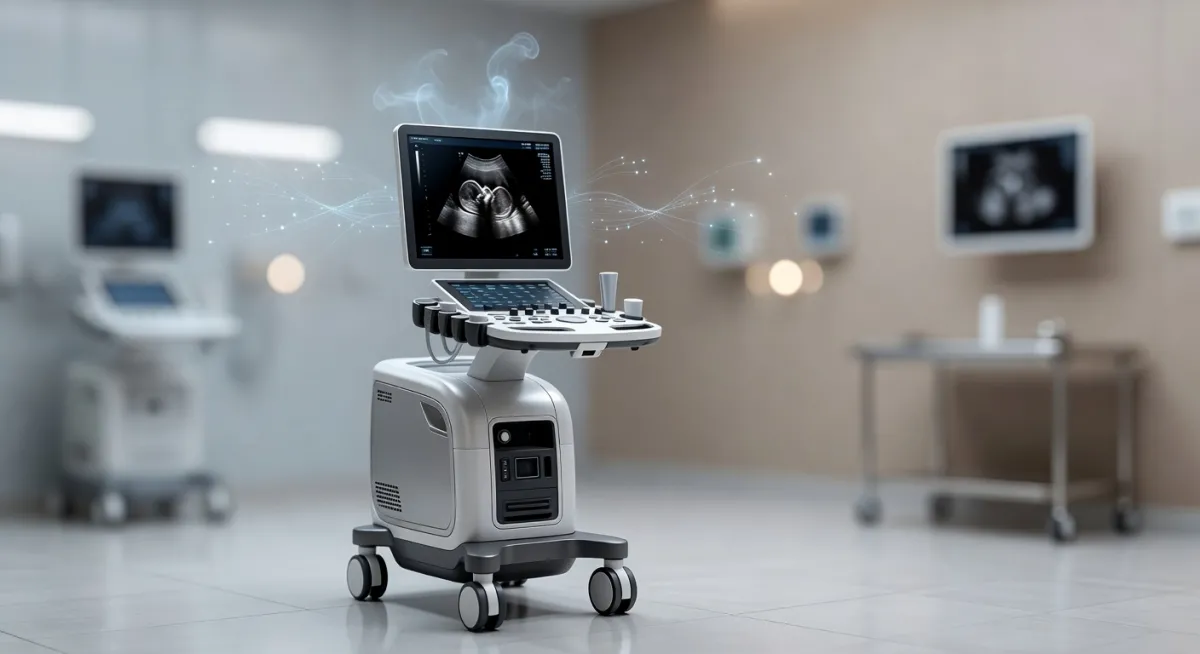
The field of sonography continues to evolve at a remarkable pace, driven by technological advancements and the growing demand for non-invasive diagnostic imaging. Ultrasound technology, once primarily associated with prenatal care, has expanded into diverse medical specialties, offering sonographers new opportunities to enhance patient outcomes. As healthcare systems worldwide prioritize efficiency and precision, the ultrasound industry remains at the forefront of innovation, adapting to meet the needs of both clinicians and patients.
For sonography professionals, staying informed about industry trends is essential to maintaining a competitive edge. Emerging tools and techniques not only improve diagnostic accuracy but also redefine the role of ultrasound technologists in clinical settings. From artificial intelligence integration to portable imaging devices, the landscape of ultrasound is transforming, creating a dynamic environment for those in the field.
This article delves into the most significant trends and innovations shaping the ultrasound industry. It explores how these developments impact the daily work of sonographers and ultrasound technologists, offering insights into the future of diagnostic imaging. By understanding these advancements, professionals can better prepare for changes in scope of practice and embrace opportunities for career growth.
- Artificial intelligence (AI) is revolutionizing ultrasound imaging by automating image analysis and improving diagnostic precision.
- Portable and handheld ultrasound devices are making imaging more accessible in diverse clinical and remote settings.
- 3D and 4D ultrasound technologies are enhancing visualization for complex anatomical assessments.
- Integration of telemedicine with ultrasound is expanding access to expert consultations for sonographers.
- Advancements in transducer technology are improving image quality and reducing scan times.
- Training and certification programs are evolving to include emerging technologies, as supported by organizations like ARDMS.
Artificial Intelligence in Ultrasound Imaging
Artificial intelligence (AI) has emerged as a game-changer in the ultrasound industry, offering tools that assist sonographers in interpreting complex images. AI algorithms can analyze ultrasound scans in real-time, identifying patterns and anomalies that might be missed by the human eye. This technology not only enhances diagnostic accuracy but also reduces the time required for image processing, allowing technologists to focus on patient care.
For sonographers, AI integration means a shift in workflow. Rather than replacing the expertise of ultrasound professionals, AI serves as a supportive tool, providing second opinions and flagging potential areas of concern. This can be particularly beneficial in high-pressure environments where quick decision-making is critical. As AI continues to evolve, its role in ultrasound is expected to expand, potentially aiding in predictive diagnostics and personalized treatment plans.
💼 Career Opportunities
However, the adoption of AI also raises questions about training and ethical considerations. Sonographers must be equipped with the skills to use AI tools effectively, ensuring they understand the technology's limitations. Resources from organizations like SDMS can provide guidance on integrating AI into practice while maintaining high standards of professionalism and ethics.

For deeper insight, Diagnostic Ultrasound Principles and Practice is recommended reading for sonography professionals.
Portable and Handheld Ultrasound Devices
The development of portable and handheld ultrasound devices has transformed the accessibility of diagnostic imaging. These compact tools allow sonographers to perform scans in a variety of settings, from emergency rooms to remote clinics. Their lightweight design and ease of use make them ideal for point-of-care applications, where immediate imaging results can influence critical medical decisions.
As an Amazon Associate, we earn from qualifying purchases.
For ultrasound technologists, portable devices open up new possibilities for patient interaction. These tools enable imaging at the bedside, reducing the need to transport patients to dedicated ultrasound suites. This can be particularly beneficial for critically ill or immobile patients, improving comfort and streamlining care delivery. Additionally, the affordability of handheld devices is making ultrasound technology more accessible to smaller healthcare facilities.
Despite their advantages, portable ultrasound systems may have limitations in terms of image resolution compared to traditional machines. Sonographers must balance the convenience of portability with the need for high-quality imaging, ensuring accurate diagnoses. Staying updated on equipment advancements through resources in industry trends can help professionals make informed decisions about adopting these tools.
Training is also a key consideration when integrating portable devices into practice. Ultrasound technologists need to adapt to the unique interfaces and capabilities of handheld systems, which may differ from standard equipment. Continuous education and hands-on experience are vital to mastering these innovations.
Advancements in 3D and 4D Ultrasound Technology
The introduction of 3D and 4D ultrasound technology has significantly enhanced the ability of sonographers to visualize complex anatomical structures. Unlike traditional 2D imaging, 3D ultrasound provides detailed, three-dimensional views, while 4D adds the element of real-time motion. These advancements are particularly valuable in obstetrics, cardiology, and musculoskeletal imaging, offering clearer insights into patient conditions.
For sonography professionals, mastering 3D and 4D imaging techniques can elevate their diagnostic capabilities. These technologies allow for more precise assessments of fetal anomalies, heart defects, and joint abnormalities, aiding in early intervention. Patients also benefit from the enhanced visualization, as it can improve their understanding of medical findings during consultations.
Implementing 3D and 4D ultrasound requires investment in advanced equipment and specialized training. Sonographers must familiarize themselves with the software and hardware associated with these systems to ensure optimal results. Resources such as Diagnostic Ultrasound Principles and Practice can provide in-depth knowledge on leveraging these technologies effectively.
Telemedicine and Remote Ultrasound Applications
Telemedicine has become a vital component of modern healthcare, and its integration with ultrasound technology is creating new opportunities for sonographers. Remote ultrasound applications enable technologists to transmit images to specialists in real-time, facilitating expert consultations regardless of physical distance. This is particularly beneficial for patients in underserved areas who may lack access to advanced diagnostic services.
For ultrasound professionals, telemedicine expands the scope of collaboration with referring physicians and radiologists. It allows for immediate feedback on scans, improving diagnostic accuracy and patient outcomes. Additionally, remote applications can support remote tele-sonography roles, offering flexibility in work arrangements and career paths.
However, telemedicine also presents challenges, including data security and compliance with privacy regulations. Sonographers must ensure that patient information is protected during transmission, adhering to standards outlined in HIPAA privacy guidelines. Continuous education on telehealth protocols is essential to navigating these complexities.
As telemedicine continues to grow, ultrasound technologists will play a crucial role in bridging the gap between technology and patient care. Embracing this trend can position professionals as leaders in delivering innovative healthcare solutions.
Sustainability and Green Practices in Ultrasound
Sustainability is gaining attention in the healthcare sector, and the ultrasound industry is no exception. Manufacturers are increasingly focusing on creating energy-efficient ultrasound machines and reducing the environmental impact of disposable supplies like transducer covers and gels. These green practices align with broader healthcare goals of minimizing waste and promoting eco-friendly operations.
For sonographers, adopting sustainable practices can involve simple changes, such as optimizing equipment usage to reduce energy consumption or advocating for recyclable materials in their departments. These efforts contribute to a healthier planet while maintaining high standards of patient care. Additionally, sustainability initiatives can enhance the reputation of healthcare facilities, fostering trust among patients and communities.
Professional organizations are also supporting green initiatives by offering resources and guidelines for eco-conscious practices. Sonographers can explore these materials to stay informed about sustainable innovations in the field. Engaging with trends in workplace industry advancements ensures that ultrasound technologists remain aligned with evolving standards. For authoritative guidance, refer to the NPS and NPS websites.
Frequently Asked Questions
How is AI changing the role of sonographers?
AI is enhancing the role of sonographers by automating routine tasks like image analysis and flagging potential abnormalities. This allows technologists to focus on patient interaction and complex diagnostic challenges. However, AI is a tool, not a replacement, and sonographers must still rely on their expertise to interpret results and make clinical decisions.
What are the benefits of portable ultrasound devices?
Portable ultrasound devices offer flexibility, enabling imaging in diverse settings such as emergency rooms or remote clinics. They improve patient comfort by allowing bedside scans and are often more affordable than traditional systems. This accessibility can expand diagnostic capabilities for smaller facilities or urgent care scenarios.
Why are 3D and 4D ultrasounds important?
3D and 4D ultrasounds provide detailed, dynamic views of anatomical structures, improving diagnostic accuracy in specialties like obstetrics and cardiology. They help sonographers detect anomalies earlier and assist in patient education by offering clearer visual explanations of medical conditions.
How does telemedicine impact ultrasound practice?
Telemedicine enables sonographers to share ultrasound images with specialists in real-time, facilitating expert consultations and improving patient outcomes. It expands access to care, particularly in underserved areas, but requires adherence to privacy regulations to protect patient data during transmission.
What steps can sonographers take toward sustainability?
Sonographers can contribute to sustainability by optimizing equipment usage to save energy, using eco-friendly supplies when possible, and advocating for green practices in their workplaces. Staying informed about industry initiatives can help professionals adopt sustainable habits without compromising care quality.
Final Thoughts
The ultrasound industry is undergoing a transformative period, with innovations like AI, portable devices, and telemedicine reshaping the landscape for sonographers and ultrasound technologists. These trends not only enhance diagnostic capabilities but also expand the role of professionals in delivering patient-centered care. By staying informed and adaptable, sonography experts can navigate these changes and contribute to the future of healthcare imaging.
For those eager to deepen their understanding of these advancements, exploring resources in industry trends is a valuable next step. Engaging with professional communities and continuing education opportunities can further support career growth. Share thoughts or experiences in the comments below, and join the conversation about the evolving world of ultrasound technology.